April 2026 Newsletter
Making Water: Tea Tavern Magic that Makes All the Difference
Water: The Secret Tea Ingredient
One of the most important components of tea is the water in which it's brewed, an ancient "secret" going back to 730 A.D.
Quick Answer
Does water affect the taste of tea?
Yes. The minerals, hardness, alkalinity, and overall composition of brewing water can dramatically affect the flavor, aroma, texture, and appearance of tea. Even when using the same tea leaves, temperature, and steeping time, different water sources can produce noticeably different results. For this reason, tea masters have studied water quality for centuries, and many modern tea enthusiasts use custom mineral blends to optimize water for specific tea styles.
Key Takeaways
• Water is one of the most important ingredients in tea.
• Different mineral levels can dramatically change tea flavor.
• Distilled or reverse-osmosis water is not always ideal for brewing tea.
• Water that is too mineral-rich can interfere with flavor extraction.
• Different tea styles benefit from different mineral profiles.
• Remineralized water allows tea drinkers to customize brewing results.
That's when Classic of Tea (Cha Jing), a 10-chapter tome on tea, was written by brew master Lu Yu, also known informally as China's tea sage. In the book, Yu spends an entire chapter explaining how and why the water in which tea is brewed can make all the difference in the world. Surprisingly, he rated groundwater as the worst for tea. Still, then again, he didn't have the advanced filtration and bottling technology we use today.
More recently, our friends at Tea Curious have amassed a small library of blog posts in which they test different waters, from bottled to tap, to see whether and how water affects tea brewed at the same volume, at the same temperature, and steeped for the same amount of time.
Spoiler: The type of water used makes a huge, absolutely noticeable, drastic difference. Many of the Tea Curious tests show just how stark that difference can be, even upon visual inspection, let alone by taste.
Why Does Water Make Such a Huge Difference?
Generally speaking, what's in water matters quite a bit. Most people assume that means filtered, distilled, or reverse-osmosis water is best for tea, but that's not actually true. In fact, those options will produce an odd not-quite-"bitter" flavor because -- put very simply -- there isn't anything for the tea flavor to cling to and infuse with. However, over-mineralized teas can have too much "stuff" in them, blocking full flavor extraction.
So, What Water to Use?
There isn't necessarily a one-water-fits-all answer. As any water wizard will tell you, water has many mysterious properties and can take many different forms. Even tap water within the same municipal district can be wildly different due to the age of the pipes it traveled through or the specific processes at the water treatment plant it went through.
Adding to potential confusion, not all bottled water is the same, either. Aquafina isn't Zero Water when it comes to solid particulates, and Evian has a different filtration goal and level than Aquafina.
Which can all be rather overwhelming. And troubling -- tea, after all, is gotten in exchange for treasure or coins, so one never wants to waste it.
The Tea Tavern's Water Spells from Tea Curious
The good news is you can create your own perfect water for brewing tea, without being a water wizard or needing to cast a water spell. However, the process can feel like magic.
Basically, you do this by starting from as close to scratch as possible.
Begin with distilled water.
Then, re-add the right minerals, in the right amount, to ensure an optimal tea experience.
With our remineralizers, this process is as easy as adding a few drops from a bottle to your tea.
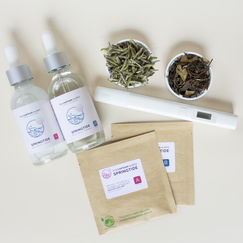
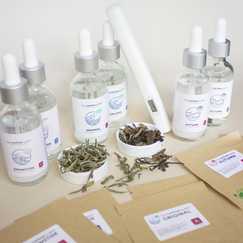
However, there are some key considerations to keep in mind: different water formulations will highlight different aspects of tea. For example, our Original remineralizer package highlights the bright, vibrant flavors of tea by increasing hardness and alkalinity while keeping calcium low. The Springtide formulations, however, are meant to mimic the soft water found in Japan. While it can be used for all teas, it is best suited for whites, oolongs and green teas. For warmer, more umami-rich flavors, and especially to bring out the darker notes often found in black teas, pu'er, heicha, and darker oolongs, you'll want to try the Autumn remineralizers.
Still feeling a bit of trepidation?
No worries. As always, we at the Tea Tavern are prepared to help make your tea journey as smooth as possible. Take this: Our Basic Brewer's Components bundle.
And for our more well-traveled Adventurers, already familiar with water's mystical properties, there's the Master Brewer's Components kit.
Frequently Asked Questions
Does water really affect the taste of tea?
Yes. The mineral content, hardness, and alkalinity of water can significantly influence the flavor, aroma, mouthfeel, and appearance of brewed tea.
Is distilled water good for tea?
Not by itself. Distilled water lacks minerals that help extract and carry flavor compounds from tea leaves. Many tea enthusiasts use distilled water as a base and then add minerals back in specific amounts.
What type of water is best for brewing tea?
There is no universal answer. Different teas respond better to different mineral profiles, depending on the flavors and characteristics you want to emphasize.
Why do tea enthusiasts remineralize water?
Remineralization allows brewers to control water chemistry and highlight specific flavors, textures, and aromas in different tea categories.
Does bottled water make better tea than tap water?
Sometimes, but not always. Different bottled waters contain different mineral levels, and even tap water can vary significantly depending on location and infrastructure.
What did Lu Yu say about water and tea?
In the Classic of Tea (Cha Jing), written around 730 A.D., Lu Yu devoted an entire chapter to water quality and its impact on tea, emphasizing that water selection is an essential part of tea preparation.
Still need a map on your Water Quest?
If you're in the Phoenix metro area, you can always join us for a Traveling Tea Tavern ceremony at HeatSync Labs, where a welcoming group of like-minded folks -- including our brew master -- will happily answer questions. Or you can send any questions to quests@tea-tavern.com.