# 2026
# January 2026 Newsletter
## **☕** Varieteas of Teas 🍵
Greetings Adventurers!
#### *What are the main types of Chinese tea?*
Although all true teas come from the Camellia sinensis plant, different harvesting, oxidation, drying, roasting, and fermentation methods create dramatically different flavors and experiences. Chinese tea traditions have developed into distinct categories including green tea, red tea, oolong tea, white tea, and fermented teas such as pu-erh and hei cha.
#### Key Takeaways
- All true teas originate from the Camellia sinensis plant.
- Green tea is unoxidized.
- Oolong tea is partially oxidized.
- White tea is minimally processed.
- Pu-erh teas undergo fermentation.
One of the most magical things about tea is that even though all teas derive from the same [*Camelia sinesis*](https://en.wikipedia.org/wiki/Camellia_sinensis) plant, there is a seemingly endless variety of teas to explore.
That’s because changing how tea is harvested (or even *when* tea leaves and tea buds are picked during the plant’s life cycle), or how the leaves are cut, dried, withered, prepared and even packaged leads to very different flavors and experiences.
Which is precisely why our Tea Master [holds special weekly gatherings](https://www.meetup.com/the-traveling-tea-tavern/) to encourage and teach others about the craft and ritual of Chinese gongfu tea. After all, nearly all teas, from [green teas](https://www.tea-tavern.com/product-category/teas/green/) to [Pu-erh teas](https://www.tea-tavern.com/product-category/teas/hei-cha-and-puerh/), originated in ancient China. In fact, “*sinesis*” translates to “from China.”
Learning about gongfu tea is an exciting quest to embark on! But it *can* be a bit overwhelming. So, we offer you this general guide to some of the most common Chinese teas available and a few of the ancient methods used to create them.
[](https://tea-tavern.com/product-category/teas/green/)
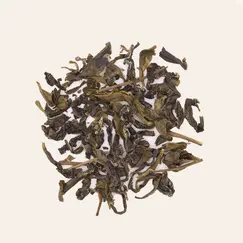
**Green Tea**
Though mostly associated with Japan, [ceremonial matcha](https://www.tea-tavern.com/product/matcha/) – the powdered tea that is frothed into a delightful brew with a special whisk – actually originated from the Tang dynasty in China. And though it is by far the most famous green tea, we invite you explore other Chinese green tea varieties.
Chinese green tea is the most ancient of all teas, and there are thousands of different varieties.
Green tea is unique amongst Chinese teas in that it is not oxidized at all, but heated by either pan-frying or steaming immediately after being harvested.
Never the less, there’s an endless number of ways green tea leaves are prepared. For example, to create on of the most traditional Chinese green teas, [Dragon Well](https://www.tea-tavern.com/product/dragon-well/) tea, the leaves are rolled flat and pan-fried.
Other green teas are processed by rolling the harvested leaves into tight curls or spirals. And still *other* green teas are beguiling, like [GPT’s Master’s Green Tea](https://www.tea-tavern.com/product/masters-green/). This tea defies expectations by being calming instead of energizing!
*Learn more about The Tea Tavern’s green teas [here](https://www.tea-tavern.com/product-category/teas/green/). *
[](https://tea-tavern.com/product-category/teas/black-red/)
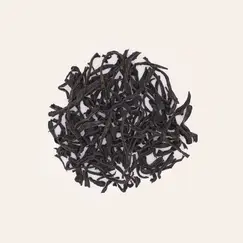
**Black (Red) Tea**
What we call *black tea* in the West is known as *hong cha* (红茶) in China [— literally “red tea.”](https://www.tea-tavern.com/product-category/teas/black-red/) In most cases, this is because of the color of the tea once steeped, such as with our [Jin Ju Mei](https://www.tea-tavern.com/product/jin-ju-mei/) tea, the brew can look a bit a bit like Western black teas, though the darkness of the brew can vary. The lighter color of the Jin Ju Mei tea is due partly due to the fact the leaves are harvested from the Wuyi Mountains in the Fujian Province during the early spring.
On the other end of the color spectrum (at least within Chinese red teas) is [Black Phoenix](https://www.tea-tavern.com/product/black-phoenix/), a very dark tea that most Westerners would look at think of as a traditional black tea. This blend gets its bold, cacao flavor from a highly specific process of oxidation and roasting.
Not to be outdone in adding a colorful name to the “red” tea spectrum, Nepal has its own version of a Chinese red tea, the [Tinjure ‘Golden Black’ Ilam](https://www.tea-tavern.com/product/tinjure-golden-black-ilam/), which is hand picked and minimally processed by the [Tinjure Tea Cooperative](http://tinjuretea.com.np/). True to its name, this tea more closely resembles a golden elixir than a red or black brew, however.
Whatever color is revealed in the cup, however, we can assure you Chinese “red” teas are always offer comfort and warmth.
*Explore all of The Tea Tavern Chinese Red teas [here](https://www.tea-tavern.com/product-category/teas/black-red/).*
[](https://tea-tavern.com/product-category/teas/oolong/)
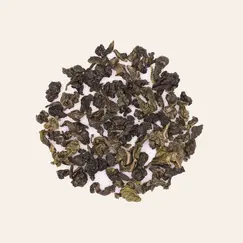
**Oolong Tea**
Sitting between green and black teas is Oolong tea. A favorite amongst tea drinkers, Oolongs can be anything from light and fruity to slightly woody and rich. All, however, are created using highly specific oxidation methods.
Take [Bird King Da Hong Pao](https://tea-tavern.com/product/bird-king-da-hong-pao/), for example. Tea leaves foraged from the ancient, 400- to 800-year-old indigenous Bird King trees in Guizhou were roasted twice in accordance with Tea Master Lian’s family tradition. In a region well known for its centuries of tea craftsmanship, Master Lian and his daughter applied Da Hong Pao methods from Fujian to leaves that had been resting since August, resulting in a wholly new flavor profile and experience.
Another perfect example of the craftsmanship that creates a perfect cup of Oolong tea is the [Phoenix High Mountain Oolong](https://www.tea-tavern.com/product/phoenixs-high-mountain-oolong/). The leaves are harvested from trees that defiantly grow amidst the craggy rocks of the cool mountainsides in the northern Guangdong Province. Each tea tree grove is cultivated to emulate specific flavors of various flowers and fruits. Once harvested, the leaves are oxidized for a highly specified amount of time using the wulong method.
*Find your perfect Oolong tea [here](https://www.tea-tavern.com/product-category/teas/oolong/).*
[](https://tea-tavern.com/product-category/teas/white/)
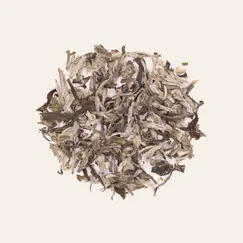
**☁️ White Teas**
White tea is the most delicate of all — lightly processed and soft on the palate. Each cup of white tea is a story of heritage, culture, and gently extracting new flavors and experiences from ancient methods.
Other white teas are prepared as delicately as the brew they yield. The Himilayian tea leaves harvested to make [Phidiam White Prakash](https://www.tea-tavern.com/product/phidim-white-prakash/) – extra fuzzy to protect them from the cold – are simply air dried, yielding a light and delicate flavor that contrasts with the harsh environment in which the trees grow.
Another impressive example of coaxing flavor from nearly-untouched tea leaves is the [Aged Master's White](https://www.tea-tavern.com/product/aged-masters-white-2016/) tea. Harvested at Pan Yin Mountain by our friends at [Grass People Tree](https://www.grasspeopletree.com/?srsltid=AfmBOorLlDdD9PrB7Q6c0aR4K3mHS2VwXwKAiP1dFkcUs7L_K7v3U27S) from Bird King trees that are anywhere from 400 to 600 years old, this tea is processed using 100 percent natural, ancient methods without artificial heat and humidity by Master Lin in 2016. In comparison to other white teas, that means an extra long withering, or drying, time, sometimes done in the shade or at night specifically to lengthen this part of the process. All this is done to help the signature floral notes of white tea blossom even more.
👉 *Explore a range of White teas with our [Wild Tea Sampler](https://www.tea-tavern.com/product/wild-tea-sampler/).*
---
[](https://tea-tavern.com/product-category/teas/hei-cha-and-puerh/)
**🍃 Pu-erh & Hei Cha (Fermented) Teas**
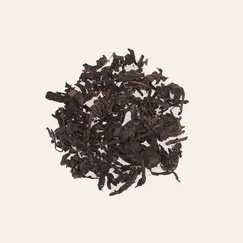
Pu-erh teas, most simply put, are black, fermented teas known for a variety of bold, more assertive flavors (though some can have whispers of floral notes). Of course, as with all Chinese tea craftsmanship, there are different methods of fermentation and preparation that are all steeped in their own traditions and regional cultures.
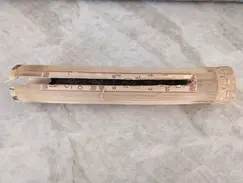
This is reflected in the wide variety of colors pu-erh and Hei Cha teas are available in. From the midnight black of the assertive [Tei Ji Shu Pu-erh](https://www.tea-tavern.com/product/tei-ji-shu-pu-erh/), which uses a “pile fermentation” method to the cheerful bright red of [Aini Bamboo Shu Pu’erh](https://www.tea-tavern.com/product/aini-bamboo-shu-puerh/), traditionally processed in a section of cut bamboo, this category of tea is an entire quest of its own within the tea enthusiast world.
*Explore our Hei Cha & Pu-erh Teas, including samples, [here](https://www.tea-tavern.com/product-category/teas/hei-cha-and-puerh/).*
##### **☕ Where to Start?**
If you’re just beginning your tea adventure:
- Start with a lighter **Green or White tea** if you love delicate notes.
- Try **Oolong** to experience layered complexity.
No matter your taste, Tea Tavern offers carefully selected loose-leaf teas, sustainably sourced and crafted for delightful brewing. You can sample teas to find your perfect cup.
#### Frequently Asked Questions
##### What are the main types of Chinese tea?
The primary categories of Chinese tea are green tea, red tea (commonly called black tea in the West), oolong tea, white tea, and fermented teas such as pu-erh and hei cha.
##### Do all teas come from the same plant?
Yes. All true teas originate from the Camellia sinensis plant. Differences in flavor, aroma, and appearance are created through harvesting techniques and processing methods.
#### What is the difference between green tea and black tea?
Green tea is heated shortly after harvest to prevent oxidation, while black tea (known as red tea in China) is fully oxidized, resulting in deeper flavors and darker colors.
##### What is oolong tea?
Oolong tea is a partially oxidized tea that sits between green and red teas. Depending on processing methods, oolongs can range from light and floral to rich and roasted.
##### Why is white tea considered delicate?
White tea undergoes minimal processing and is often simply withered and dried. This preserves subtle flavors and aromas that many tea drinkers describe as soft and refined.
##### What is pu-erh tea?
Pu-erh tea is a fermented Chinese tea known for its depth, complexity, and aging potential. Traditional fermentation methods can create flavors ranging from earthy and rich to smooth and sweet.
And don't forget to join the [Traveling Tea Tavern](https://www.meetup.com/the-traveling-tea-tavern/), our monthly gathering during which people learn about the ancient ritual of gongfu steeping, share stories and laughter, and enjoy tea with other Adventurers!
Make starting easy with our [Adventurer’s Brewer Kit](https://www.tea-tavern.com/product-category/accessories/brewers-kits/). Everything you need to begin exploring tea at home!
# January 2026 SEO & Schema
**SEO Title**
Chinese Tea Types Explained: Green, Oolong, White & Pu-erh
**Meta Description**
Learn the major types of Chinese tea, including green tea, oolong tea, white tea, red tea, and pu-erh. Discover how traditional processing creates unique flavors.
**Suggested URL Slug**
`/chinese-tea-types-explained`
#### Schema Recommendations
- Article Schema
- FAQ Schema (generated from FAQ section above)
- Organization Schema (Tea Tavern)
- Author Schema (Tea Master or Tea Tavern if individual author unavailable)
- Breadcrumb Schema
- ImageObject Schema for tea photographs
### Developer Schema Notes: January 2026 Tea Tavern Newsletter
Recommended Schema Types:
- Article
- FAQPage
- Organization
- BreadcrumbList
- ImageObject, if images are already defined on the page
#### **Recommended JSON-LD:**
```html
```
#### Recommended FAQ Schema:
```html
```
#### Implementation Notes:
- **Replace** “INSERT PAGE URL HERE” with the live newsletter URL.
- **Replace** “INSERT UPDATED DATE HERE” with the date the enhanced version is published.
- FAQ schema should match the visible FAQ text on the page.
- Article schema can be reused across newsletter archive pages with updated headline, description, URL, and dates.
# Februry 2026 Newsletter
## The Magic of How It's Made: One Tea, Infinite Processes
Hello Travelers!
#### Quick Answer
What determines the flavor and category of Chinese tea?
Although all true teas come from the Camellia sinensis plant, it is the processing method—not the plant itself—that determines whether a tea becomes white tea, green tea, oolong tea, black (red) tea, or pu-erh. Factors such as withering, oxidation, rolling, roasting, drying, and fermentation create dramatically different flavors, aromas, textures, and brewing experiences. Understanding tea processing is one of the most important steps in learning Gongfu tea preparation because each tea category reflects centuries of craftsmanship and regional tradition.
#### Key Takeaways
• All true teas originate from the Camellia sinensis plant.
• Tea processing determines a tea's category and flavor profile.
• White tea undergoes minimal processing and controlled withering.
• Green tea uses kill-green (shāqīng) techniques to halt oxidation.
• Oolong tea is partially oxidized and highly process-dependent.
• Black (red) tea is fully oxidized before drying.
• Pu-erh and dark teas develop flavor through fermentation and aging.
As you learn to prepare your own [Gongfu tea](https://www.tea-tavern.com/product/adventurers-brewing-kit/), some ancient truths will begin to reveal themselves: while origin, cultivar, and terroir matter, it’s how the tea is processed that determines the tea’s category and ending flavor.
This is why all true Chinese teas come from the same *Camellia sinensis *tree, but there are still several categories of tea. What differentiates white from green, oolong from black, or raw from ripe Pu-erh isn’t the plant itself — it’s what happens to the leaf after harvest (and, sometimes, *when* the leaves are harvested).
Processing includes several parts: oxidation, withering, shaping, aging, and microbial activity (fermentation). There are thousands of possible techniques and timeline combinations, so it should come as no surprise that many Chinese tea plantations or even families have developed their own specific processing methods to create their own “brand” of tea.
Today, we’re exploring six primary Chinese tea categories, specifically through the lens of [Gongfu preparation](https://www.tea-tavern.com/brewing-guide/).
**[White Tea](https://www.tea-tavern.com/product-category/teas/white/) (白茶) — Controlled Withering & Minimal Intervention**
White tea processing is deceptively simple – it’s often called “minimally processed” but make no mistake: its processing is still highly technical.
White tea basically has only two processing steps: harvesting and withering. Fresh buds and/or young leaves are plucked and then allowed to wither (or sit out on a tarp, in a cave, or other designated area) for an extended period of time. During withering, moisture content decreases, while enzymatic activity begins to transform amino acids and aromatic compounds.
Sounds simple, but when, for how long, and where the withering takes place can drastically alter the aroma, color and flavor of the tea.
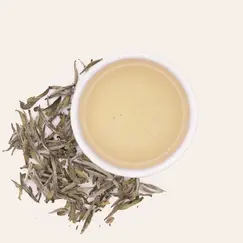
For example, white teas are traditionally withered in shaded, well-ventilated environments. Still, a notable exception to this rule is [Charcoal Roasted Silver Needle](https://www.tea-tavern.com/product/charcoal-roasted-silver-needle/) tea by Li Yanmei, a tea master in Fuding.
For that tea, buds are harvested before they even open and then wither for a longer-than-usual time in the shade. So far, so good. But then the withering process is finished in the sun.
Unlike other teas, white teas are made without rolling or pan-firing the tea leaves. Instead, oxidation occurs naturally and lightly during this slow dehydration phase.
White teas are particularly well-suited to Gongfu-style brewing because the extended withering deepens aromatics and softens the texture of the leaves. This becomes particularly noticeable when brewed using the short, concentrated infusions that are the hallmark of Gongfu.
[](https://bookstack.tea-tavern.com/uploads/images/gallery/2026-03/mbAhadydxSP7A41v-charcoalroastedsilverneedle1.webp)
---
**[Green Tea](https://www.tea-tavern.com/product-category/teas/green/) (绿茶) — Shaqing & Preservation of Freshness**
Green tea is defined by *kill-green* (杀青, shāqīng) — the application of heat shortly after plucking to halt enzymatic oxidation. This step preserves chlorophyll – hence the green color - amino acids like L-theanine, and volatile compounds responsible for vegetal and chestnut notes.
In China, shāqīng is often achieved through pan-firing or baking rather than steaming (steaming is more common in Japanese teas). Once heated, the leaves are shaped — often in ways specific to the particular tea; they may be twisted, flattened or curled — and then dried.
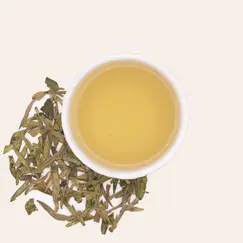
One of the best examples of an intricate green tea process is [Dragon Well Tea](https://www.tea-tavern.com/product/dragon-well/). Declared the official tea of the royal court by Emperor Qianlong during the Qing Dynasty, this light, fresh tea exemplifies all the hallmarks of green tea craftsmanship.
Even the harvesting is specific, with exactly one bud and two leaves getting plucked from the tea tree. The leaves are then withered in the sun, fixed, shaped and dried over heat in a pan.
Green teas tend to have an umami note because oxidation is halted early, though, like all Chinese teas, they can exhibit a range of flavors and aromas. Gongfu brewing specifically highlights their texture and minerality, but it requires lower temperatures and short infusions.
[](https://bookstack.tea-tavern.com/uploads/images/gallery/2026-03/EM2V77oJ4AjOKHrE-dragonwell1.webp)
**[Oolong Tea](https://www.tea-tavern.com/product-category/teas/oolong/) (乌龙茶) — Orchestrated Partial Oxidation**
Oolong processing is known for a wide range of oxidation, anywhere from roughly 10% to 70%, depending on the process used. It is among the most complex in Chinese tea craftsmanship, and some varieties, such as [Yellow Twig](https://www.tea-tavern.com/product/yellow-twig/), even require extra attention and effort when brewing (but are well worth it!).
Generally speaking, oolong tea leaves are first sun-withered, then moved indoors for a series of resting and shaking cycles. During shaking (yaoqing), the leaf edges are gently bruised, encouraging oxidation at the margins while preserving a greener interior.
Oxidation levels can range from roughly 10% to 70%, depending on the style. After reaching the desired oxidation point, the leaves undergo kill-green to halt the process, followed by rolling and, often, roasting.
[Bird King Da Hong Pao ](https://www.tea-tavern.com/product/bird-king-da-hong-pao/)is roasted twice in accordance with the family tradition of Tea Master Lian in Guizhou. The tea itself is foraged from indigenous Bird Trees that are 400- to 800-years old and have been protected by the Miao people for centuries.
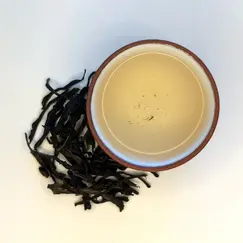
Lightly oxidized oolongs emphasize florals and high aromatics; heavily oxidized and roasted styles develop deeper notes of fruit, honey, or caramel. The difference can be stark and apparent even just by looking at the leaves themselves. Gongfu brewing is particularly suited to oolong because repeated infusions reveal its layered processing.
[](https://bookstack.tea-tavern.com/uploads/images/gallery/2026-03/pmpo0hV3OWXV8sqT-pc-high-mountain-phoenix-oolong-2.webp) [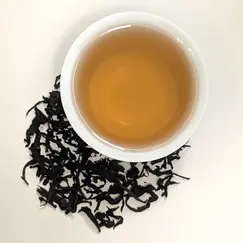](https://bookstack.tea-tavern.com/uploads/images/gallery/2026-03/EN9UicfBvRpxhYnu-gpt-dahongpao-2.webp)
**[Black/Red Tea](https://www.tea-tavern.com/product-category/teas/black-red/) (红茶) — Full Oxidation**
In Chinese classification, black tea is called *hong cha* (red tea), referring to the liquor color. Black/Red Chinese teas are all fully oxidized before drying, making them the most assertive teas in the Chinese canon.
Full oxidation is achieved by first withering the leaves to make them pliable, then rupturing their cell walls by twisting or rolling them. That triggers full oxidation by exposing enzymes in the tea leaves to oxygen. The rich colors – ranging from inky black to deep amber hues – come from catechins converting into theaflavins.
Unlike heavily roasted teas, black teas typically emphasize fruit, malt, cocoa, or honeyed profiles, but there is still a range of flavor and color within the vast black tea family. For example, [Jin Jun Mei](https://www.tea-tavern.com/product/jin-ju-mei/) (a “red” tea) is known for a light, fruity flavor, whereas [Black Phoenix](https://www.tea-tavern.com/product/black-phoenix/) has a bolder, cacao-like taste.
Gongfu-brewed black tea is especially enjoyable because the tea's flavor can transition from bright top notes in early steeps to deeper sweetness later on.
[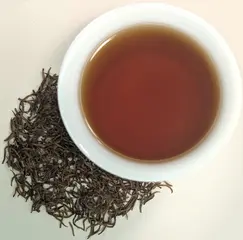](https://bookstack.tea-tavern.com/uploads/images/gallery/2026-03/g92gYri7uZHp8ols-pc-jin-ju-mei-3.webp)
**Dark Tea & Pu-erh (黑茶 / 普洱茶) — Post-Fermentation & Aging**
Dark teas differ fundamentally from other categories due to microbial fermentation.
Raw ([sheng](https://www.tea-tavern.com/product-category/teas/hei-cha-and-puerh/sheng-puerh/)) Pu-erh begins as a green-style maocha that is sun-dried but not fully stabilized. Over time — years or decades — natural microbial activity transforms the leaf, deepening flavor and smoothing bitterness. One of the Tea Tavern’s happiest accidents was discovering [1995 “Green Pu-erh” tea](https://www.tea-tavern.com/product/1995-green-pu-erh/), which – as the name suggests – has been fermenting since 1995. The result! A smoky undertone reminiscent of BBQ sauce!
Ripe ([shu](https://www.tea-tavern.com/product-category/teas/hei-cha-and-puerh/shu-puerh/)) Pu-erh undergoes an accelerated fermentation process called *wo dui*, where leaves are piled, moistened, and carefully turned to encourage microbial development under controlled conditions. One of the best examples of this method is the luxurious [Tei Ji Shu Pu-erh](https://www.tea-tavern.com/product/tei-ji-shu-pu-erh/) tea, which is wet-fermented for a very specific period.
[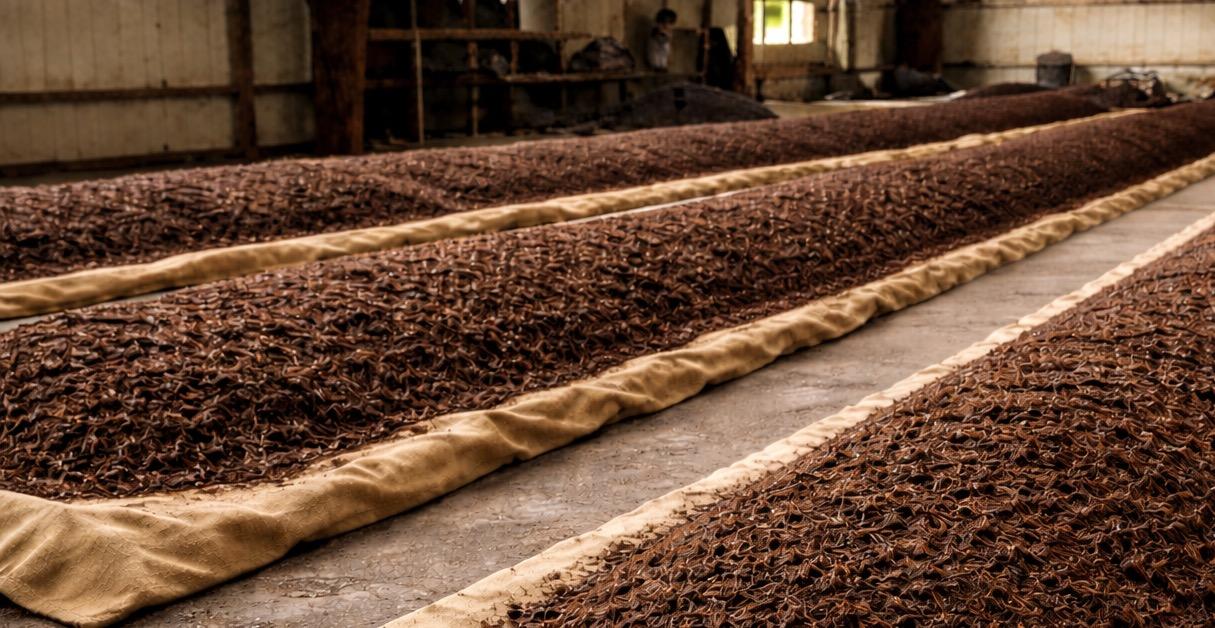](https://bookstack.tea-tavern.com/uploads/images/gallery/2026-03/yK5wxnvxlPsyCX8L-ai-wodui.jpeg)
As you refine your Gongfu practice, try tasting across categories while focusing on how processing expresses itself in the cup — from the bright immediacy of green tea to the layered depth of aged dark tea.
## Frequently Asked Questions
#### What determines the type of Chinese tea?
The processing method determines the tea category. Different combinations of withering, oxidation, shaping, roasting, drying, and fermentation create distinct tea styles from the same Camellia sinensis plant.
#### What is tea oxidation?
Oxidation is a natural chemical process that occurs when tea leaves are exposed to oxygen after harvesting. The amount of oxidation significantly influences flavor, aroma, color, and texture.
#### Why is green tea different from black tea?
Green tea undergoes kill-green processing shortly after harvest to halt oxidation, while black tea is fully oxidized before drying, creating deeper and more robust flavors.
#### What makes oolong tea unique?
Oolong tea is partially oxidized, typically between 10% and 70%, allowing it to express characteristics that range from floral and delicate to rich and roasted.
#### What is the difference between raw and ripe Pu-erh tea?
Raw (sheng) Pu-erh ages naturally over time through slow microbial activity, while ripe (shu) Pu-erh undergoes an accelerated fermentation process called wo dui.
#### Why is Gongfu brewing well suited to Chinese tea?
Gongfu brewing uses short, repeated infusions that allow tea drinkers to experience how flavors, aromas, and textures evolve throughout multiple steeps.
Or, come to a [Traveling Tea Tavern meetup](https://www.tea-tavern.com/event/gongfu-tea-tasting-at-heatsync-labs-5/) and watch the process unfold for yourself! You can ask questions, meet like-minded tea lovers and sample new teas!
# February 2026 SEO and Schema
#### SEO Title
Chinese Tea Processing Explained: From White Tea to Pu-erh
#### Meta Description
Discover how oxidation, withering, roasting, fermentation, and aging transform the Camellia sinensis plant into white tea, green tea, oolong, black tea, and pu-erh.
#### Suggested URL Slug
/chinese-tea-processing-explained
#### Article Schema
```html
```
## FAQ Schema
```html
```
# April 2026 Newsletter
## **Making Water: Tea Tavern Magic that Makes All the Difference**
#### Water: The Secret Tea Ingredient
One of the most important components of tea is the water in which it's brewed, an ancient "secret" going back to 730 A.D.
#### Quick Answer
Does water affect the taste of tea?
Yes. The minerals, hardness, alkalinity, and overall composition of brewing water can dramatically affect the flavor, aroma, texture, and appearance of tea. Even when using the same tea leaves, temperature, and steeping time, different water sources can produce noticeably different results. For this reason, tea masters have studied water quality for centuries, and many modern tea enthusiasts use custom mineral blends to optimize water for specific tea styles.
#### Key Takeaways
• Water is one of the most important ingredients in tea.
• Different mineral levels can dramatically change tea flavor.
• Distilled or reverse-osmosis water is not always ideal for brewing tea.
• Water that is too mineral-rich can interfere with flavor extraction.
• Different tea styles benefit from different mineral profiles.
• Remineralized water allows tea drinkers to customize brewing results.
That's when *Classic of Tea* (*Cha Jing), *a 10-chapter tome on tea, was written by brew master Lu Yu, also known informally as China's tea sage. In the book, Yu spends an entire chapter explaining how and why the water in which tea is brewed can make all the difference in the world. Surprisingly, he rated groundwater as the worst for tea. Still, then again, he didn't have the advanced filtration and bottling technology we use today.
More recently, our friends at [Tea Curious](https://www.teacurious.com/) have amassed a small library of blog posts in which they test different waters, from bottled to tap, to see whether and how water affects tea brewed at the same volume, at the same temperature, and steeped for the same amount of time.
**Spoiler: **The type of water used makes a huge, absolutely noticeable, drastic difference. Many of the [Tea Curious tests ](https://www.teacurious.com/5-reasons-to-test-the-water-you-use-for-tea)show just how stark that difference can be, even upon visual inspection, let alone by taste.
#### Why Does Water Make Such a Huge Difference?
Generally speaking, what's *in *water matters quite a bit. Most people assume that means filtered, distilled, or reverse-osmosis water is best for tea, but that's not actually true. In fact, those options will produce an odd not-quite-"bitter" flavor because -- put *very *simply -- there isn't anything for the tea flavor to cling *to *and infuse with. However, over-mineralized teas can have *too much *"stuff" in them, blocking full flavor extraction.
#### So, What Water to Use?
There isn't necessarily a one-water-fits-all answer. As any water wizard will tell you, water has many mysterious properties and can take many different forms. Even tap water within the same municipal district can be wildly different due to the age of the pipes it traveled through or the specific processes at the water treatment plant it went through.
Adding to potential confusion, not all bottled water is the same, either. Aquafina isn't Zero Water when it comes to solid particulates, and Evian has a different filtration goal and level than Aquafina.
Which can all be rather overwhelming. And troubling -- tea, after all, is gotten in exchange for treasure or coins, so one never wants to waste it.
#### The Tea Tavern's Water Spells from Tea Curious
The good news is you can [create your own perfect water for brewing tea](https://www.tea-tavern.com/product-category/water-components/), without being a water wizard or needing to cast a [water spell](https://www.gmbinder.com/share/-McjkfgZjXjRk7rcgZ1X). However, the process can feel like magic.
Basically, you do this by starting from as close to scratch as possible.
Begin with distilled water.
Then, re-add the right minerals, in the right amount, to ensure an optimal tea experience.
With our [remineralizers](https://www.tea-tavern.com/product/basic-brewers-components/), this process is as easy as adding a few drops from a bottle to your tea.
However, there are some key considerations to keep in mind: different water formulations will highlight different aspects of tea. For example, our [Original remineralizer](https://www.tea-tavern.com/product/remineralizer-original/) package highlights the bright, vibrant flavors of tea by increasing hardness and alkalinity while keeping calcium low. The [Springtide formulations](https://www.tea-tavern.com/product/remineralizer-springtide/), however, are meant to mimic the soft water found in Japan. While it can be used for all teas, it is best suited for whites, oolongs and green teas. For warmer, more umami-rich flavors, and especially to bring out the darker notes often found in black teas, pu'er, heicha, and darker oolongs, you'll want to try the [Autumn remineralizers](https://www.tea-tavern.com/product/remineralizer-autumn/).
Still feeling a bit of trepidation?
No worries. As always, we at the Tea Tavern are prepared to help make your tea journey as smooth as possible. Take this: Our [Basic Brewer's Components](https://www.tea-tavern.com/product/basic-brewers-components/) bundle.
[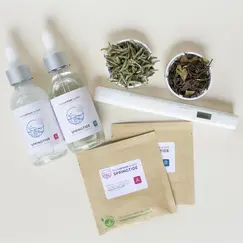](https://bookstack.tea-tavern.com/uploads/images/gallery/2026-03/OhB3BLXItnvhwzeL-basicskit-springtide.webp)
And for our more well-traveled Adventurers, already familiar with water's mystical properties, there's the [Master Brewer's Components](https://www.tea-tavern.com/product/master-brewers-components/) kit.
[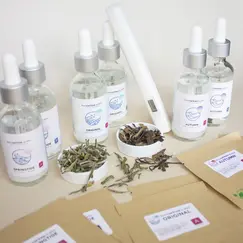](https://bookstack.tea-tavern.com/uploads/images/gallery/2026-03/pSb0WqfghiwGydkG-masterskit.webp)
## Frequently Asked Questions
#### Does water really affect the taste of tea?
Yes. The mineral content, hardness, and alkalinity of water can significantly influence the flavor, aroma, mouthfeel, and appearance of brewed tea.
#### Is distilled water good for tea?
Not by itself. Distilled water lacks minerals that help extract and carry flavor compounds from tea leaves. Many tea enthusiasts use distilled water as a base and then add minerals back in specific amounts.
#### What type of water is best for brewing tea?
There is no universal answer. Different teas respond better to different mineral profiles, depending on the flavors and characteristics you want to emphasize.
#### Why do tea enthusiasts remineralize water?
Remineralization allows brewers to control water chemistry and highlight specific flavors, textures, and aromas in different tea categories.
#### Does bottled water make better tea than tap water?
Sometimes, but not always. Different bottled waters contain different mineral levels, and even tap water can vary significantly depending on location and infrastructure.
#### What did Lu Yu say about water and tea?
In the Classic of Tea (Cha Jing), written around 730 A.D., Lu Yu devoted an entire chapter to water quality and its impact on tea, emphasizing that water selection is an essential part of tea preparation.
#### Still need a map on your Water Quest?
If you're in the Phoenix metro area, you can always join us for a [Traveling Tea Tavern](https://www.meetup.com/the-traveling-tea-tavern/events/) ceremony at HeatSync Labs, where a welcoming group of like-minded folks -- including our brew master -- will happily answer questions. Or you can send any questions to [quests@tea-tavern.com](mailto:quests@tea-tavern.com).
# April 2026 SEO and Schema
## SEO Title
How Water Affects Tea: Choosing the Best Water for Brewing
## Meta Description
Discover why water quality matters when brewing tea and how minerals, hardness, and remineralization can dramatically change flavor, aroma, and texture.
## Suggested URL Slug
/how-water-affects-tea-brewing
## Article Schema
```html
```
## FAQ Schema
```html
```
# May 2026 Newsletter
## The Traveling Tea Tavern Chronicle On Caffeine, Calm, and the Curious Ways of the Leaf
#### Quick Answer
##### Does water affect the taste of tea?
Yes. The minerals, hardness, alkalinity, and overall composition of brewing water can dramatically affect the flavor, aroma, texture, and appearance of tea. Even when using the same tea leaves, temperature, and steeping time, different water sources can produce noticeably different results. For this reason, tea masters have studied water quality for centuries, and many modern tea enthusiasts use custom mineral blends to optimize water for specific tea styles.
#### Key Takeaways
• Water is one of the most important ingredients in tea.
• Different mineral levels can dramatically change tea flavor.
• Distilled or reverse-osmosis water is not always ideal for brewing tea.
• Water that is too mineral-rich can interfere with flavor extraction.
• Different tea styles benefit from different mineral profiles.
• Remineralized water allows tea drinkers to customize brewing results.
Settle in, warm your hands on your cup, and let us speak of a force both subtle and powerful—caffeine in tea.
Many Adventurers arrive at the Tavern asking the same questions: “Which tea has the most caffeine?” or “Which will let me rest easy?”
The answer is far from simple. One of the most magical things about tea is that it does not deal in absolutes, but rather is shaped by land, leaf, craft, and even your own hands.
### What Determines Caffeine in Tea?
##### Settle in, warm your hands on your cup, and let us speak of a force both subtle and powerful—caffeine in tea.
Many Adventurers arrive at the Tavern asking the same questions: "Which tea has the most caffeine?" or "Which will let me rest easy?"
The answer is far from simple. One of the most magical things about tea is that it does not deal in absolutes, but rather is shaped by land, leaf, craft, and even your own hands.
### What Determines Caffeine in Tea?
All true tea comes from *Camellia sinensis*, yet its effects can range from calming to invigorating depending on four key factors:
#### The Land In Which it Grew
Where tea is grown shapes its chemistry as much as its flavor. That means two teas of the same type can feel entirely different depending on origin alone.
For example, [teas from regions like Yunnan](https://www.tea-tavern.com/product/aini-bamboo-shu-puerh/) in southwestern China often use large-leaf varietals, which tend to carry higher caffeine levels than smaller-leaf plants grown elsewhere.
[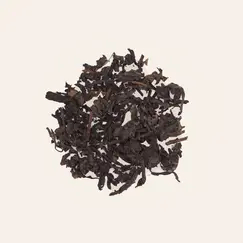](https://bookstack.tea-tavern.com/uploads/images/gallery/2026-05/CsVPmocMfagx4LbB-ainibambooshu2.webp)
#### The Leaf Itself (Bud vs. Mature Leaf)
You might expect delicate teas to be gentler—but that's not always the case.
Young buds and early leaves actually contain more caffeine than older, mature leaves. That's why some [high-grade white teas](https://www.tea-tavern.com/product/charcoal-roasted-silver-needle/) (made mostly from buds) can be quite energizing.
[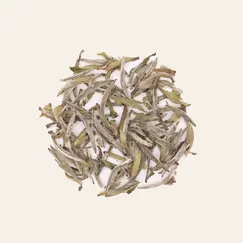](https://bookstack.tea-tavern.com/uploads/images/gallery/2026-05/jpOuAKx9yCDjKx2H-charcoalroastedsilverneedle2.webp)
#### The Tea Master's Craft (Processing Methods)
What happens after harvest can matter, as well. We've discussed [different processing methods](https://bookstack.tea-tavern.com/books/the-traveling-tea-tavern-chronicle-newsletters/page/january-2026-newsletter) before, but not in the context of caffeine. What happens to tea leaves and buds after they are selected and picked will also largely impact how the tea affects the drinker. As a general rule and after centuries of honing their craft, tea masters have learned that:
- Roasting can slightly reduce caffeine
- Oolong teas, often roasted, tend to have more moderate amounts of caffeine
- Fermentation (as in some dark teas) can increase caffeine
In a way, processing is how a tea gets its "personality."
The Brewing (Your Role in the Ritual)
Finally, you (or the person brewing tea) have some control over the caffeine content as well.
For example, you can slightly increase caffeine extraction with:
- Hotter water (though don't exceed the recommended range)
- Longer steep times
- More leaves used
- More infusions
A *general *guideline (this is by no means exact) would be:
- For a more gentle, soothing cup → use cooler water, shorter steeps
- For a stronger, invigorating cup → hotter water, longer steeps
#### What About Decaffeinated Tea?
Sometimes, a Traveler wants to rest and is looking for tea to soothe and calm rather than invigorate. In those cases, one may consider decaffeinated tea. However, it's important to note that the process often strips away more than just caffeine.
Common methods (like CO₂ or solvent processing) can reduce complexity and depth. The result is a quieter cup, but sometimes at the cost of character.
For many Travelers, there is a better path.
#### Naturally Caffeine-Free Alternatives
Rather than removing caffeine, you can choose teas that never had it.
Tisanes—herbal infusions—offer warmth and flavor without stimulation.
For evenings, quiet moments, or restful endings to long journeys, we often suggest brewing a cup of [Mosscap Hearth – Winter's Warmth](https://www.tea-tavern.com/product/the-mosscap-hearth/). This rooibos-based blend with rosehips and hawthorn delivers an earthy, smooth, and comforting cup—completely caffeine-free and well-suited for winding down by the fire.
[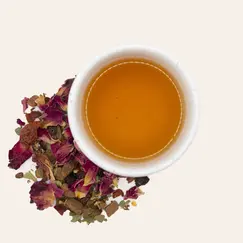](https://bookstack.tea-tavern.com/uploads/images/gallery/2026-05/6HiA5xVgrCdIESDd-mosscaphearth1.webp)
#### A Coffee Alternative for Steady Energy
If you're stepping away from coffee but still crave depth and ritual, roasted herbal blends can offer a satisfying middle ground.
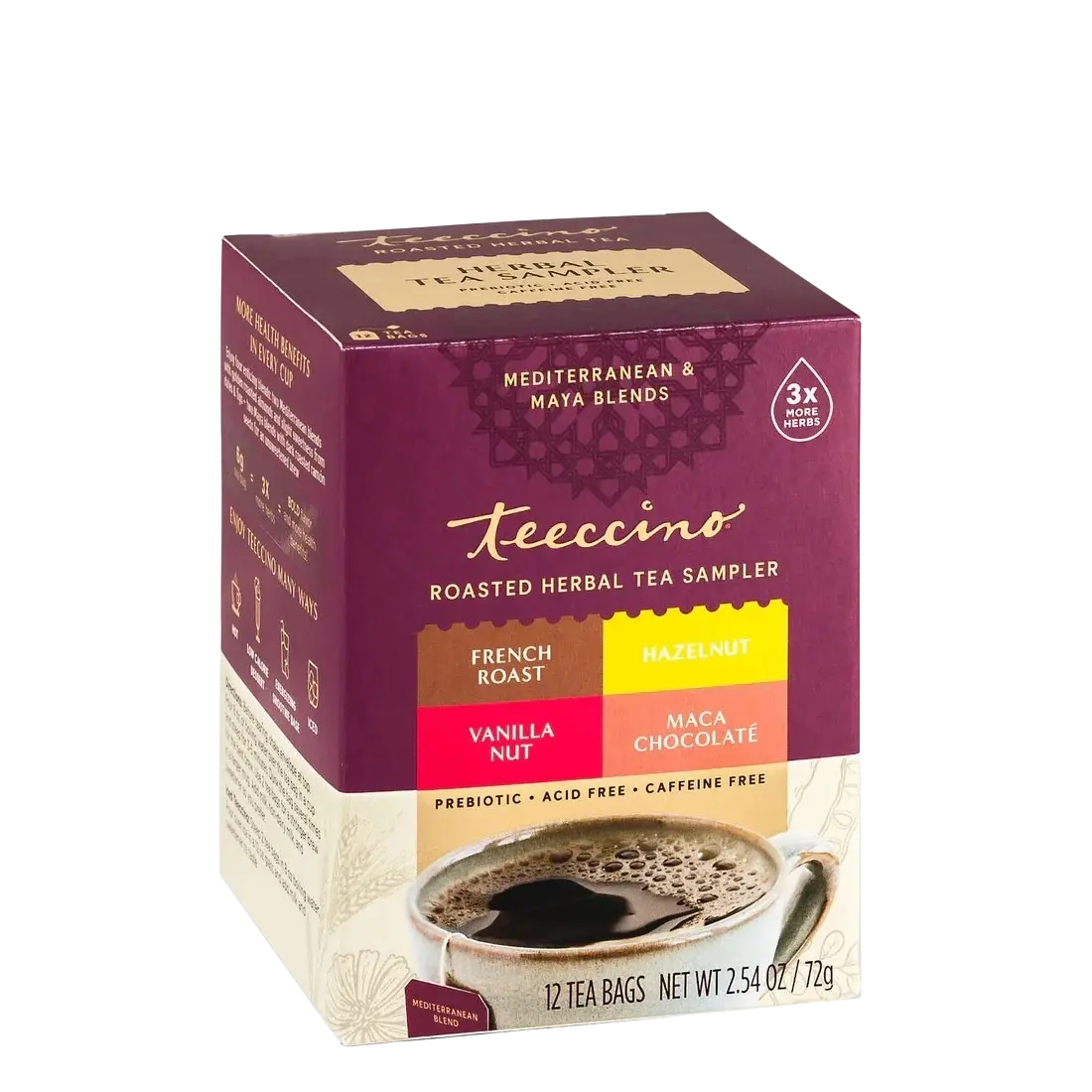
That's why we offer Teecinno, a tea substitute specifically designed for those who cherish the aroma, ritual, and robustness of coffee but are unable to partake in it. These coffee-like teas (you can even buy them as grounds to put in an auto-drip coffee maker) offer a roasted experience without the sharp peaks and crashes. We recommend exploring the [Classic Roasted Herbal Tea Sampler Box.](https://www.tea-tavern.com/product/classic-roasted-herbal-tea-sampler-box/)
These blends provide bold, toasty flavors without any caffeine at all. It's not coffee, but it's pretty darn close and still a lovely beverage for what it is. It's also an ideal beverage for those transitioning from coffee to tea.
[](https://bookstack.tea-tavern.com/uploads/images/gallery/2026-05/yHwSMhXns3E5cKqe-classic-sampler.webp)
#### When You Need Focus and Clarity
Some moments, however, call for sharpness—the early start, the long study, the deep work.
In those cases, you'll need a strong brew like [Tinjure' Golden Black' Ilam (Obsidian Embers). ](https://www.tea-tavern.com/product/tinjure-golden-black-ilam/)The high altitude and minimal processing of this tea make it particularly invigorating, offering a clean, steady lift without the jittery edge often found in coffee.
#### Choose Your Path Wisely
Despite labels that list milligram readings, the truth is there isn't really a single "highest" or "lowest" caffeine tea in the ancient pantheon of Chinese teas. There are only the choices you make, shaped by your intended outcome.
- Seeking rest? → herbal blends or mature-leaf teas
- Seeking balance? → oolongs or lighter brews
- Seeking energy? → bud-heavy or high-elevation black teas
### Frequently Asked Questions
#### Does water really affect the taste of tea?
Yes. The mineral content, hardness, and alkalinity of water can significantly influence the flavor, aroma, mouthfeel, and appearance of brewed tea.
#### Is distilled water good for tea?
Not by itself. Distilled water lacks minerals that help extract and carry flavor compounds from tea leaves. Many tea enthusiasts use distilled water as a base and then add minerals back in specific amounts.
#### What type of water is best for brewing tea?
There is no universal answer. Different teas respond better to different mineral profiles, depending on the flavors and characteristics you want to emphasize.
#### Why do tea enthusiasts remineralize water?
Remineralization allows brewers to control water chemistry and highlight specific flavors, textures, and aromas in different tea categories.
#### Does bottled water make better tea than tap water?
Sometimes, but not always. Different bottled waters contain different mineral levels, and even tap water can vary significantly depending on location and infrastructure.
#### What did Lu Yu say about water and tea?
In the Classic of Tea (Cha Jing), written around 730 A.D., Lu Yu devoted an entire chapter to water quality and its impact on tea, emphasizing that water selection is an essential part of tea preparation.
Finally, if you still have questions or wish to sample some of these teas, join [the Traveling Tea Tavern](https://tea-tavern.com/events) every Wednesday at HeatSync Labs. You'll meet like-minded people also exploring new tea journeys, led by Tea Tavern brew master Farrah.
### For the Curious Scholar
If you’d like to explore the deeper research behind caffeine in tea, you can begin here: **[https://www.sciencedirect.com/science/article/pii/S0308814624001234 ](https://www.sciencedirect.com/science/article/pii/S0308814624001234)[https://pubmed.ncbi.nlm.nih.gov/16815703/ ](https://pubmed.ncbi.nlm.nih.gov/16815703/)[https://pubmed.ncbi.nlm.nih.gov/12587987/](https://pubmed.ncbi.nlm.nih.gov/12587987/)**
# May 2026 SEO and Schema
# Tea Tavern SEO + Schema Sheet
## Blog: The Traveling Tea Tavern Chronicle on Caffeine, Calm, and the Curious Ways of the Leaf
---
## Meta Title
How Much Caffeine Is in Tea? A Guide to Calm, Focus & Energy
---
## Meta Description
Learn what determines caffeine in tea, from origin and leaf maturity to processing and brewing, plus naturally caffeine-free alternatives for evening tea.
---
## Suggested URL Slug
how-much-caffeine-is-in-tea
---
## Focus Keyword
how much caffeine is in tea
---
## Secondary Keywords
- caffeine in tea
- tea caffeine levels
- does white tea have caffeine
- tea vs coffee caffeine
- caffeine free tea
- herbal tea without caffeine
- what affects caffeine in tea
- Chinese tea caffeine
- tea for focus
- tea for relaxation
---
## Featured Snippet / Quick Answer
**How much caffeine is in tea?**
The caffeine in tea varies widely depending on the tea plant, growing region, leaf maturity, processing method, and brewing style. All true teas from *Camellia sinensis* contain caffeine, but bud-heavy teas, some black teas, and high-elevation teas may feel more energizing, while oolongs, mature-leaf teas, and cooler brews may feel gentler. Herbal tisanes are naturally caffeine-free.
---
## Key Takeaways
- All true tea from *Camellia sinensis* contains caffeine.
- Caffeine levels vary by origin, leaf type, processing, and brewing method.
- Young buds often contain more caffeine than mature leaves.
- Longer steeps, hotter water, and more leaf can increase caffeine extraction.
- Decaffeinated tea is not always completely caffeine-free.
- Herbal tisanes offer naturally caffeine-free alternatives.
---
## Recommended FAQ Section
### Does all tea contain caffeine?
Yes. All true tea made from *Camellia sinensis* naturally contains caffeine, though the amount varies widely.
### Which tea has the highest caffeine content?
There is no single tea with the highest caffeine content. Bud-heavy teas, high-elevation black teas, and some large-leaf varietals may contain more caffeine, but growing conditions, processing, and brewing all affect the final cup.
### Does white tea have caffeine?
Yes. White tea contains caffeine, and some high-grade white teas made mostly from young buds can be surprisingly energizing.
### Does brewing tea longer increase caffeine?
Yes. Longer steeping times, hotter water, more tea leaves, and repeated infusions can increase caffeine extraction.
### Is decaffeinated tea completely caffeine-free?
No. Decaffeinated tea usually contains trace amounts of caffeine, and the decaffeination process may also affect flavor complexity.
### What tea has no caffeine?
Herbal infusions, also called tisanes, are naturally caffeine-free because they are not made from the tea plant. Examples include rooibos, chamomile, peppermint, hibiscus, and many fruit or spice blends.
### Is tea lower in caffeine than coffee?
Generally, tea contains less caffeine per serving than coffee, but this is not always absolute. Leaf type, brewing method, and serving size can all affect the final caffeine level.
---
## Suggested Internal Links
- Chinese Tea Processing Guide
- Tea Brewing Guide
- Chinese Tea Collection
- Mosscap Hearth – Winter's Warmth
- Teecinno Collection
- Classic Roasted Herbal Tea Sampler Box
- Tinjure' Golden Black Ilam
- Traveling Tea Tavern Events
---
## Sources to Include at Bottom
[https://www.sciencedirect.com/science/article/pii/S0308814624001234](https://www.sciencedirect.com/science/article/pii/S0308814624001234)
[https://pubmed.ncbi.nlm.nih.gov/16815703/](https://pubmed.ncbi.nlm.nih.gov/16815703/)
[https://pubmed.ncbi.nlm.nih.gov/12587987/](https://pubmed.ncbi.nlm.nih.gov/12587987/)
---
# JSON-LD Schema
```html
```
---
## Dev Notes
Replace the following placeholders before publishing:
- `https://tea-tavern.com/blog/how-much-caffeine-is-in-tea/`
- `https://tea-tavern.com/path-to-featured-image.webp`
- `https://tea-tavern.com/path-to-logo.png`
- `datePublished`
- `dateModified`
If the final URL differs, update both `@id` fields and `mainEntityOfPage`.
# June 2025 Newsletter
## The Original Luxury Tea: How China's Tea Tribute System Shaped Modern Tea Culture
The craftsmanship of Chinese tea touches every aspect of the process during which it is made. Tradition, craft and ancient knowledge impact all stages of the tea's journey from leaf to cup, from where the tea grows to when and how it is harvested. Everything, including whether the bud or a specific number of leaves are plucked, is a deliberate, pre-determined act. These exacting processes were often honed centuries ago and upheld ever since. Even the way the final Chinese tea is packaged, whether as loose leaf tea or in a solid tea cake, is a silent nod to a long and storied history.
Chinese tea is never just a beverage.
### Quick Answer: What Was the Chinese Tea Tribute System?
For more than a thousand years, tea played a central role in China's economy, government, and culture. Under the Tea Tribute System, certain regions were required to provide their finest teas to the emperor and imperial court.
#### Key Takeaways
- The Tea Tribute System began during the Tang Dynasty around 700 A.D.
- Tribute teas were elite teas reserved for emperors and the imperial court.
- Tea-growing families competed to produce distinctive, memorable teas.
- Many traditional Chinese tea processing methods evolved during the tribute tea era.
- Famous teas such as Meng Ding Gan Lu and Jun Shan Yin Zhen have historical connections to tribute tea culture.
- The craftsmanship used to produce modern Chinese tea is rooted in centuries of refinement and imperial demand.
- Many tea traditions practiced today originated from techniques developed to create teas worthy of tribute.
Every cup is actually a story of sometimes secret and oftentimes painstaking processes. A cup of Chinese tea is a testimony to entire generations of a single family, or thousands of seasons weathered by ancient trees. Traditions have deep, ancient roots, much like the tea trees themselves. Still, the ancient methods and rituals of Chinese teas are not just a byproduct of the tea's geography, regional cultures or even artisanship. More often than not, the traditions grew in the fertile soil of necessity.
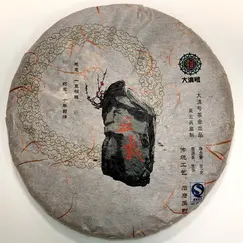
For a thousand years, Chinese tea functioned as [both commerce and infrastructure](https://www.cambridge.org/core/books/cambridge-world-history-of-food/tea/F46F27CE8D98EFFFFBF4C8F62B2F58E1), [funding the entire vast empire](http://www.china.org.cn/english/culture/231505.htm). Tea did everything, ranging from providing revenue for the war horses that kept dynasties in power via the [Tea Horse Road (茶马古道) ](https://www.nationalgeographic.com/history/article/rediscovering-chinas-tea-horse-road-a-branch-of-the-silk-road)to the more mundane, albeit necessary, role of funding infrastructure for the massive and sprawling nation.
[ ](https://bookstack.tea-tavern.com/uploads/images/gallery/2026-06/ZeJL9J8ZfMdOvcgC-tc-dadiangaoyiwu-1.webp)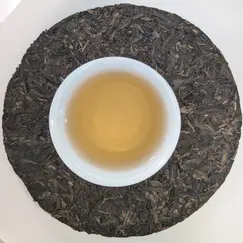
In fact, for many tea families, the quality of the tea their farms and plantations produced could be a matter of life and death, primarily due to the tea tribute system.
In fact, for many tea families, the quality of the tea produced on their farms and plantations could be a matter of life and death, primarily due to the tea tribute system.
## **How Tribute Became Tradition **
Ancient China was a land of ever undulating power centers, usually taking the form of the central Chinese government, led by a dynastic Imperial family. These families were under constant threat from nomadic militaries and disparate tribes, factions and ethnicities, all jockeying for their own power centers or, not infrequently, to topple the central government itself. Maintaining control over such a massive land mass and quarrelsome, diverse populations was extraordinarily expensive. It left Chinese emperors in a perpetual state of finding ways to finance their own militaries or maintain political control in various regional power centers.
During this time, tea was not the universal beverage we know it as today. Almost no one, except royalty and the very elite, could afford tea. Nothing illustrated this reality more than the [Tea Tribute ](https://www.royalny.com/blogs/famous-tribute-teas-of-china/)system.
#### **The Indirect Tea Tax of the Tribute System**
This Tea Tribute system, instituted around 700 A.D. by the Tang Dynasty, mandated that specific geographical regions set aside their finest tea leaves for the Emperor and the Imperial court. It was a kind of indirect taxation system in which providing the perfect cup could seal the fate of an entire family for generations. A pleasing cup brought the family political favor, possibly military protection, and regional influence. Displeasing the tea taster -- who may very well be the Emperor themself -- could result in complete ruin.
For families growing tea, cultivating a tribute tea meant more than simply setting aside the best of a crop. The tea had to be memorable and distinct from the other tributes. Since all tea comes from the same plant and the environment from which the tea leaves and buds were harvested cannot be controlled externally, how the tea is processed is the primary method used to coax unique flavors, colors and tastes from the tea.
Meng Ding Gan Lu, for example, was the only tribute tea from Sichuan. It was pan fried three separate times and rolled after each time. Then, after the final shaping and rolling, the leaves were dried over a charcoal fire.
Jun Shan Yin Zhen, on the other hand, garnered much of its flavor from its environment, a mountainous, 1-kilometer island perpetually shrouded in fog. What the island lacked in space, however, its rich soil made up for by imparting a distinct flavor to the tea.
Jun Shan Yin Zhen is the epitome of processing that overcomes geographic constraints. The soil of Jun Shan is heavy with minerals, which would normally result in a full-bodied, thick, or heavy tea. But the creativity and craftsmanship of the tea masters transformed the hearty tea leaves into one of the lightest, most delicate of Chinese teas for its time.
Exactly one bud and only three to four leaves were pan dried. Then, the tea was placed in a humid pot for up to five days. That process was repeated a second time, which almost magically transformed the leaves into their signature yellow, yielding a light, almost floral tea.
#### ***Every* Chinese Tea Today is a Tribute **
The legacy of tribute teas explains both the continued craftsmanship, enduring nature, and deep global appreciation for Chinese teas.
[](https://bookstack.tea-tavern.com/uploads/images/gallery/2026-06/st9TZlNSsesxuahz-mastersgreen2.webp) [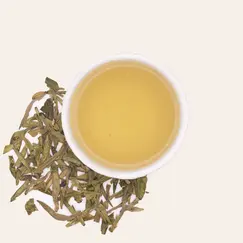](https://bookstack.tea-tavern.com/uploads/images/gallery/2026-06/7PKkazoAGys6TQuj-dragonwell1.webp)
The Aini minority, who still live today in the Yunnan province around the Lancang River region of Xishuangbanna, may have ancestors who ventured into the very same forest they do today, with the same purpose: to pluck tea leaves from wild tea trees that still offer their leaves for harvest. Today, [Aini Bamboo Shu](https://www.tea-tavern.com/product/aini-bamboo-shu-puerh/) is made by processing the harvested leaves in fresh-cut bamboo and roasting them over a charcoal fire. The tea leaves are then dried outside on special racks. This careful process was undoubtedly passed down through generations of Aini people. It is not unlikely that the current brew master's ancestors, who patiently coaxed flavor from the tea in the same manner, stood before some of the most powerful people in Chinese history.
[](https://bookstack.tea-tavern.com/uploads/images/gallery/2026-06/PcHKGTKzVX3VKdHZ-pc-bsp-aini-2014-1.webp)
The Tea Tavern puts forth an extraordinary amount of effort to source the best of Chinese tea. Teas [that reflect tradition](https://www.tea-tavern.com/about-us/), honor the Earth, and [bring people together](https://www.tea-tavern.com/event/gongfu-tea-tasting-at-heatsync-labs-47/) in a spirit of enjoyment, learning, and discovery.
Though some degree of technology has been introduced into today's processing for some tea farms and plantations – usually in the form of improved temperature control, storage, or processing capacity – many [Tea Tavern teas](https://www.tea-tavern.com/) are made in the exact same way they were hundreds of years ago.
This makes sipping a Tea Tavern tea more than just enjoying a healthy beverage. When you take part in the process of [brewing](https://www.tea-tavern.com/brewing-guide/), tasting, and perhaps even sharing Chinese tea from Tea Tavern, you become another thread in the beautiful, ancient tapestry of tea's enduring history.
### Frequently Asked Questions About the Tea Tribute System
#### What was the Tea Tribute System?
The Tea Tribute System was a form of imperial taxation in which specific tea-producing regions supplied their finest teas to the emperor and the imperial court. It became an important part of Chinese political, economic, and cultural life.
#### When did the Tea Tribute System begin?
The tribute tea system is generally traced to the Tang Dynasty, around 700 A.D., though tribute practices evolved and expanded throughout later dynasties.
#### Why was tea so important in ancient China?
Tea served as both a luxury good and an economic resource. It generated tax revenue, supported trade networks, funded government activities, and played an important role in diplomatic and cultural exchanges.
#### What is a tribute tea?
A tribute tea is a tea selected for presentation to the emperor or imperial court because of its exceptional quality, craftsmanship, rarity, or regional significance.
#### How did tribute teas influence modern Chinese tea?
Many tea processing methods, harvesting standards, and quality traditions used today were refined during the tribute tea era as producers sought to create teas worthy of imperial recognition.
#### Are tribute teas still produced today?
The original imperial tribute system no longer exists, but many historic tribute tea varieties are still cultivated and enjoyed. Their production often follows techniques developed centuries ago.
#### Why do Chinese tea traditions place so much emphasis on craftsmanship?
Because tea quality often determined a region's reputation and relationship with the imperial court, generations of tea masters refined cultivation, harvesting, and processing methods to create distinctive and memorable teas.
### Source Materials and Further Reading Suggestions
**Cambridge -- World History of Food: Tea**
[https://www.cambridge.org/core/books/cambridge-world-history-of-food/tea/F46F27CE8D98EFFFFBF4C8F62B2F58E1](https://www.cambridge.org/core/books/cambridge-world-history-of-food/tea/F46F27CE8D98EFFFFBF4C8F62B2F58E1)
**Britannica — Tea Production and Trade**
[https://www.britannica.com/topic/tea-beverage](https://www.britannica.com/topic/tea-beverage)
**Chinese Empire Forced to Evolve the Economic System to Resist the Nomadic Empire--Case: Establishment of the Tea Tax System in the Tang Dynasty**
[https://www.researchgate.net/publication/382402522\_Chinese\_Empire\_Forced\_to\_Evolve\_the\_Economic\_System\_to\_Resist\_the\_Nomadic\_Empire--Case\_Establishment\_of\_the\_Tea\_Tax\_System\_in\_the\_Tang\_Dynasty](https://www.researchgate.net/publication/382402522_Chinese_Empire_Forced_to_Evolve_the_Economic_System_to_Resist_the_Nomadic_Empire--Case_Establishment_of_the_Tea_Tax_System_in_the_Tang_Dynasty)
**Serious Eats: “Matcha’s 1,000-Year Journey”**
Song-dynasty whisked powdered tea, tea competitions, and the Chinese origins of what later became matcha.
[https://www.seriouseats.com/the-ancient-chinese-ritual-behind-the-internets-favorite-green-drink-11891929?utm\_source=chatgpt.com](https://www.seriouseats.com/the-ancient-chinese-ritual-behind-the-internets-favorite-green-drink-11891929?utm_source=chatgpt.com)
**All the tea in China: the political impact of tea**
[http://www.china.org.cn/english/culture/231505.htm](http://www.china.org.cn/english/culture/231505.htm)
# June SEO and Schema
## SEO Title
The Chinese Tea Tribute System: How Imperial Tea Shaped Modern Tea Culture
## Meta Description
Discover how China's Tea Tribute System influenced tea cultivation, processing, craftsmanship, and the traditions that continue to shape Chinese tea today.
## Suggested URL Slug
/chinese-tea-tribute-system-history
## Article Schema
```html
```
## FAQ Schema
```html
```
# July 2026 Newsletter
# Why Tea Makes You Feel Different: Tea Jitters, L-Theanine, Chaqi, and the Science Behind Tea Energy
#### Quick Answer: Why Does Tea Cause Jitters or Feel Different Than Coffee?
Tea can create a wide range of sensations depending on the balance of caffeine, L-theanine, tea variety, brewing method, and a traditional tea concept known as chaqi.
**Key Takeaways:**
- Tea jitters can refer to either a caffeine reaction or a calming, focused sensation often described as "tea drunk."
- L-theanine, a naturally occurring amino acid in tea, may help promote relaxed alertness and can influence how caffeine feels.
- Different teas contain different ratios of caffeine and L-theanine, which is why two teas can produce very different experiences.
- Chaqi (茶气) is a traditional tea concept used to describe the perceived energy, character, or body feel of a tea.
- Sheng pu-erh, shu pu-erh, yancha, and dancong oolong are often associated with stronger tea energy experiences.
- Drinking strong tea on an empty stomach can increase the likelihood of unpleasant tea jitters.
- Brewing strength, tea origin, cultivation methods, and individual sensitivity all influence how tea affects the body and mind.
- Genetics may influence how quickly your body processes caffeine, which helps explain why some people experience tea jitters more easily than others.
Every so often, a Traveler arrives at the tavern with an age-old question:
"Why does this tea make me feel this way?"
The experiences are as varied as the travelers themselves. Some feel a rush of energy. Others gain a sense of alertness that is sharp but still calm. It may be something more elusive to describe—a warmth spreading through the body, a heightened awareness, or a zen feeling that sits in the liminal state between relaxation and focus.
All of these experiences are fairly common among tea drinkers and are generally grouped under a single term: "jitters."
When one experiences jitters, they are essentially under the spell of a magical brew that is... ancient Chinese tea. Though not all tea-induced sensations are the same, being attentive to when one gets the jitters can unlock an understanding that helps one choose teas best suited to one's preferences and brewing habits.
### What, exactly, are "Tea Jitters"?
When most people describe getting tea jitters, they are usually describing one of two very different experiences.
The first is what many would recognize as a [caffeine](https://bookstack.tea-tavern.com/books/the-traveling-tea-tavern-chronicle-newsletters/page/may-2026-newsletter) response: shakiness, increased heart rate, cold sweats, dizziness, or a burst of nervous energy. These sensations are more likely to occur when drinking tea on an empty stomach or consuming large amounts of tea in a short period.
The second experience is something entirely different.
Many tea drinkers describe feeling clarity, openness, warmth, heaviness, or even mild euphoria. Some call it being "tea drunk." Others refer to it as a buzz, a body feel, or simply a tea with strong energy.
Though these two experiences are often lumped together in discussion, they actually have very different causes.
#### The Balance Between Caffeine and L-Theanine
First, we must point out an important distinction between tea and another mystical beverage, coffee. Though coffee can also cause a caffeine reaction, those symptoms and feelings are wholly different from tea jitters.
One reason tea jitters feel different from simply drinking too much coffee is the presence of L-theanine, a naturally occurring amino acid found in tea leaves.
L-theanine contributes to tea's flavor profile. It is also associated with feelings of a relaxed state of alertness. Not only is this not a caffeine reaction, but some research even suggests that L-theanine can mitigate some of the less desirable effects of caffeine.
The amount of L-theanine in tea varies with tea type, cultivation methods, and[ brewing parameters](https://www.tea-tavern.com/brewing-guide/). This is similar to how the caffeine level in a specific tea can vary depending on the tea's origin, harvest, and [processing techniques](https://bookstack.tea-tavern.com/books/the-traveling-tea-tavern-chronicle-newsletters/page/februry-2026-newsletter).
Both caffeine and L-theanine can exist in different ratios in different teas. That's why two cups of different tea may contain similar caffeine levels yet produce very different experiences for the drinker.
#### The Mystery of Chaqi
Among experienced tea drinkers, another concept often emerges in conversation: chaqi (茶气).
Chaqi can be difficult to define because it describes personal experiences that vary from one individual to another.
Depending on who you ask, chaqi may refer to:
- A feeling of physical warmth
- Increased awareness or focus
- Deep relaxation
- A sensation of energy moving through the body
- The perceived strength or character of a tea - this is what it most commonly means amongst Chinese speakers and practitioners of ancient Chinese medicine.
Chaqi, then, is not one single experience but rather an umbrella term for a collection of ways high-quality Chinese teas can impact a person. Some Travelers notice chaqi immediately. Others may never experience it at all (there is nothing wrong with either the Traveler or the tea in this case).
### Why Some Teas Feel Different Than Others
When it comes to chaqi – especially when the word is used to describe the body of the tea itself, not the impact it has on the person drinking it – tea can be broken down into several categories.
- [Sheng Pu-erh](https://www.tea-tavern.com/product-category/teas/hei-cha-and-puerh/sheng-puerh/)
- [Shu Pu-erh](https://www.tea-tavern.com/product-category/teas/hei-cha-and-puerh/shu-puerh/)
- Yancha (Rock Tea)
- Dancong [Oolong](https://www.tea-tavern.com/product-category/teas/oolong/)
These teas are often described as having a more pronounced presence than lighter-style teas.
For example, young sheng pu-erh is sometimes described as energetic, lively, or even "wiry." In contrast, aged sheng pu-erh, like our [1995 Green Pu-erh](https://www.tea-tavern.com/product/1995-green-pu-erh/), is often associated with a deeper, heavier, and more relaxing character. In the case of the 1995 Green Pu-erh, it's even been compared to BBQ sauce!
These are examples of teas whose chaqi stems largely from how they are processed.
#### Ancient Trees, Terrace Gardens, and Tea Energy
Of course, the source of the tea leaf itself can also impact its chaqi.
Teas harvested from ancient or old-growth tea trees, or trees over a century old, are commonly reported to have a stronger body feel than teas produced from younger plantation-grown bushes.
This may be because mature trees have extensive root systems that reach deeper into ancient soil, accessing minerals and nutrients unavailable to younger plants, enabling them to grow and thrive.
Indeed, the complex and ancient brewing process used to produce [Aini Bamboo Shu Pu'erh](https://www.tea-tavern.com/product/aini-bamboo-shu-puerh/), harvested from ancient forests, speaks to this truth. The bamboo brewing process is used, in part, to lighten the heavy, mineral-rich flavor of the raw tea leaves.
Scientific studies bear out this truth in a more modern, concrete way. Multiple studies have found that pu-erh tea has measurable differences in chemical composition compared with tea sourced from ecological forests or terrace plantations. Those chemical differences may be the key to unlocking the mystery as to why some teas produce a richer body sensation. In contrast, others feel more stimulating or caffeine-forward.
That said, there is still magic in enjoying a cup of tea, and researchers agree that chemistry alone cannot fully explain every tea experience. Still, the evidence does suggest that origin and cultivation methods play an important role in what ends up in the cup.
### Why Tea Affects Different People Differently
Even when two Travelers brew the exact same tea, their experiences may not be identical.
Part of the reason lies not in the teapot, but in the traveler themselves.
Modern research has found that genetics can influence how the body processes caffeine. Variations in certain genes affect the speed at which caffeine is metabolized, meaning some individuals naturally clear caffeine from their system more quickly than others.
For those who metabolize caffeine more slowly, the stimulating effects may linger longer and feel more intense. A tea that leaves one person feeling pleasantly alert may leave another feeling restless, overstimulated, or unable to sleep hours later.
Researchers have also identified genetic differences that may influence an individual's sensitivity to caffeine itself. In other words, two people may consume the same amount of caffeine, yet experience very different physical and mental responses.
This may help explain a mystery familiar to many tea drinkers: why one Traveler can happily enjoy multiple infusions of sheng pu-erh late into the evening while another carefully avoids tea after lunch.
Of course, genetics are only one piece of a much larger puzzle. Factors such as sleep quality, stress levels, food consumption, hydration, brewing methods, and overall caffeine intake all contribute to how tea affects the body.
Still, for Travelers who consistently experience stronger tea jitters than friends or family members, the answer may not be the tea at all. It may simply be that their body was written with a slightly different set of instructions.
### How to Reduce Unpleasant Tea Jitters
While fascinating, tea jitters are not always welcome or pleasurable. If you've ever found yourself feeling uncomfortable after tea, consider the following ways to reduce your chances of experiencing tea jitters:
#### Don't Drink Strong Tea on an Empty Stomach
A common thread that weaves its way through a large number of tea-related discomfort complaints is that the tea was consumed before eating. A small meal or snack beforehand can often make a significant difference.
#### Pay Attention to Brewing Strength
Few things impact a tea's chaqi and overall flavor more than how it is brewed. As a general rule, using more leaf, longer steep times, or higher temperatures can increase extraction and create a more intense experience.
#### Explore Different Tea Types
Some Travelers discover that certain tea categories suit them better than others. If you are uncertain about which tea is best for you, we highly encourage you to attend a [Traveling Tea Tavern](https://www.tea-tavern.com/event/gongfu-tea-tasting-at-heatsync-labs-65/) session. These monthly events, currently led by Tea Master Farrah, are a wonderful way to sample a wide variety of teas and meet other like-minded tea explorers.
#### Slow Down
Tea has always rewarded patience, both in the brewing and in its enjoyment. Rather than rushing through multiple cups or mindlessly sipping while engrossed in other tasks, consider taking time to mindfully notice how each infusion affects your body and mind.
### Every Traveler's Journey Is Different
One of the most fascinating aspects of tea is that two people can share the exact same leaves from the same source, processed in the same way, and yet still have two entirely different experiences.
What one Traveler calls tea jitters, another may describe as invigorating. What one person experiences as deep relaxation, another may barely notice
The next time a tea leaves you feeling energized, grounded, focused, or simply curious, consider that you may be experiencing more than caffeine alone.
You may be experiencing one of tea's oldest and most alluring mysteries.
Until next month, Travelers, may your cups be full and your journeys rewarding.
— The Tea Tavern
### Frequently Asked Questions About Tea Jitters and Chaqi
#### Why does tea make me jittery?
Tea jitters are most commonly caused by caffeine, especially when tea is consumed on an empty stomach or in large quantities. However, some tea drinkers also use the term "jitters" to describe sensations such as heightened awareness, relaxation, warmth, or mild euphoria.
#### Why does tea feel different from coffee?
Tea contains both caffeine and L-theanine. While caffeine contributes to alertness, L-theanine is associated with a calmer state of focus. The combination can create a different experience than coffee for many drinkers.
#### What is L-theanine in tea?
L-theanine is a naturally occurring amino acid found in tea leaves. It contributes to tea's flavor profile and is often associated with relaxed alertness and mental clarity.
#### What is chaqi?
Chaqi (茶气) is a traditional tea term used to describe the perceived energy, character, or body feel of a tea. Depending on the individual, chaqi may be experienced as warmth, focus, relaxation, awareness, or other physical and mental sensations.
#### Can tea make you feel "tea drunk"?
Some tea drinkers report experiencing sensations often described as being "tea drunk," including calmness, clarity, heaviness, warmth, or mild euphoria. These experiences are commonly discussed in tea culture and are often associated with chaqi.
#### Which teas are most associated with strong chaqi?
Tea drinkers often associate sheng pu-erh, shu pu-erh, yancha (rock tea), and dancong oolong with more pronounced body sensations or tea energy experiences.
#### Why do some teas feel stronger than others?
Tea experiences can vary based on caffeine content, L-theanine levels, processing methods, age of the tea, brewing techniques, cultivation practices, and individual sensitivity.
#### How can I reduce unpleasant tea jitters?
Many tea drinkers find it helpful to avoid drinking strong tea on an empty stomach, adjust brewing strength, explore different tea varieties, and pay attention to how different teas affect their body and mind.
#### Does tea from ancient trees feel different?
Many tea enthusiasts report that teas harvested from ancient or old-growth tea trees produce a stronger body feel or more noticeable chaqi. Researchers have also identified chemical differences between teas grown in different environments, though individual experiences vary.
#### Why am I more sensitive to caffeine than other people?
Research suggests that genetic differences can affect both how quickly the body metabolizes caffeine and how strongly an individual responds to it. This means two people can drink the same tea and experience very different effects.
#### Are tea jitters genetic?
Yes. Variations in genes involved in caffeine metabolism and sensitivity may influence whether a person experiences tea jitters, prolonged alertness, restlessness, or other caffeine-related effects.
#### Why can some people drink tea before bed while others cannot?
Individual responses to caffeine vary. Genetics, overall caffeine sensitivity, sleep habits, stress levels, and the amount of tea consumed can all influence whether tea affects sleep.
### Sources
Ahmed, S., Unachukwu, U., Stepp, J. R., Peters, C. M., Long, C., & Kennelly, E. (2010). Pu-erh tea tasting in Yunnan, China: Correlation of drinkers' perceptions to phytochemistry. Journal of Ethnopharmacology, 132(1), 176–185.
Fu, Z., Chen, L., Zhou, S., Hong, Y., Zhang, X., & Chen, H. (2024). Analysis of differences in the accumulation of tea compounds under various processing techniques, geographical origins, and harvesting seasons. Food Chemistry, 430, 137000.
Hung, P.-Y. (2016). Tea Production, Land Use Politics, and Ethnic Minorities: Struggling over Dilemmas in China's Southwest Frontier. Springer.
Keenan, E. K., Finnie, M. D. A., Jones, P. S., Rogers, P. J., & Priestley, C. M. (2011). How much theanine is in a cup of tea? Effects of tea type and preparation method. Food Chemistry, 125(2), 588–594.
Ma, Z. (2023). Making "Senses": The qualia of Pu'er tea and sensorial encounters between tea producers and traders in southwest China. Journal of Material Culture, 28(1), 40–62.
Vuong, Q. V., Bowyer, M. C., & Roach, P. D. (2011). L-Theanine: Properties, synthesis and isolation from tea. Journal of the Science of Food and Agriculture, 91(11), 1931–1939.
Wang, S., Qiu, Y., Gan, R.-Y., & Zhu, F. (2022). Chemical constituents and biological properties of Pu-erh tea. Food Research International, 154, 110899.
Cornelis, M. C., Byrne, E. M., Esko, T., Nalls, M. A., Ganna, A., Paynter, N., ... & Chasman, D. I. (2015). Genome-wide meta-analysis identifies six novel loci associated with habitual coffee consumption. Molecular Psychiatry, 20(5), 647–656.
HealthPartners. (2024). Caffeine sensitivity: Why caffeine affects people differently. HealthPartners Blog.
Vergano, D. (2016). Your genes may determine how caffeine affects you. National Geographic.
# July 2026 SEO and Schema
## SEO Title
Tea Jitters Explained: L-Theanine, Chaqi, and Tea Energy
## Meta Description
Discover why tea feels different from coffee, what causes tea jitters, how L-theanine affects caffeine, and the role of chaqi in traditional tea culture.
## Suggested URL Slug
/tea-jitters-l-theanine-chaqi-explained
## Article Schema
```html
```
## FAQ Schema
```html
```
# August 2026 Newsletter
## **What's Really in Your Teacup?**
### *Pesticides, Fertilizers, and the Quest for Thoughtfully Grown Tea*
#### ***A New Traveler's Quest Begins***
*Every cup of tea has a story. Sometimes it's the tale of an ancient tea tree perched high on a misty mountainside. Other times, it's the story of the people who nurture those leaves through changing seasons, unpredictable weather, and countless decisions that shape the tea eventually poured into your cup.*
*This month, we're embarking on a two-part quest into one of the most misunderstood topics in the world of tea: pesticides, fertilizers, and sustainable cultivation. Rather than relying on fear, headlines, or social media sound bites, we'll examine what current research actually tells us—and just as importantly, what it doesn't.*
***In Part One****, we'll explore why tea farmers use fertilizers and pesticides, what modern research says about their impact on tea and human health, and why thoughtful sourcing matters.*
***Next month****, we'll venture deeper into the tea gardens themselves, exploring how different farming philosophies—from organic certification and natural farming to regenerative agriculture and traditional tea forests—shape not only the environment but the flavor, character, and future of every cup.*
#### Quick Answer
**Are pesticides and fertilizers in tea dangerous?**
**Not necessarily. **Fertilizers and pesticides have helped tea farmers improve crop yields and protect plants from insects and disease for generations. When used responsibly and in accordance with established safety standards, research suggests that many pesticide residues found in tea pose little risk to consumers. However, scientists continue to study the long-term effects of certain pesticides, and excessive use can negatively affect ecosystems, soil health, and ultimately tea quality. Rather than avoiding tea altogether, the best approach is to seek out reputable growers who use thoughtful, sustainable farming practices whenever possible.
#### Traveler's Notes
- Fertilizers nourish tea plants and help growers produce enough tea to meet global demand.
- Pesticides protect crops from insects and disease, but some residues remain an active area of scientific research.
- Most research suggests consumer risk from properly regulated pesticide residues is low, although some compounds warrant continued study.
- Overuse of fertilizers and pesticides can damage soil, waterways, and biodiversity.
- Many traditional tea growers rely on healthy ecosystems instead of conventional chemical inputs whenever practical.
- Tea Tavern seeks out teas from growers whose cultivation practices prioritize sustainability, stewardship, and respect for the land.
### Every Great Adventure Begins With a Question
Greetings, Travelers.
Every so often, one of our adventurers will settle themselves at a Traveling Tea Tavern table and ask a deceptively simple question: t
**"Is this tea pesticide-free?"**
Like many good questions, however, the answer isn't always a straight yes or no.
In most olden tales and fantasy lore, heroes are easy to distinguish from villains. The dragon is usually bad, or at least dangerous. The wizard is a kind, wise mentor. The magical artifact is either cursed or blessed.
Until...they're not. Dragons can become allies and even friends, wizards cast black magic, and magical artifacts become neutralized and ordinary. Just as in real life -- and especially agriculture -- whether something is good or evil isn't always a neat, tidy answer.
Tea has been cultivated for thousands of years across mountains, forests, valleys, and riverbanks. Today, millions of families around the world depend on tea cultivation for their livelihoods. And [every growing region](https://www.reddit.com/r/tea/comments/qncqn/a_simple_yet_informative_map_of_the_worlds_tea/#lightbox), whether India, China, Japan or Senegal, faces its own unique challenges, from insects and fungal diseases to depleted soils and [changing weather patterns](https://ideas.repec.org/a/spr/climat/v140y2017i3d10.1007_s10584-016-1882-z.html). Not to mention the [human rights struggles and labor issues](https://thirst-tea.org/about-the-tea-industry/current-issues-in-the-tea-industry/) that still plague the industry today.
This is also where fertilizers and pesticides enter the story.
Neither is inherently good or evil.
Like any powerful tool—or magical artifact, if you will—they're defined by how they're used.
Understanding that distinction helps us become not just better tea drinkers, but wiser Travelers.
### Why Do Tea Farmers Use Fertilizers?
Tea is an unusually demanding crop.
Unlike many agricultural plants, tea bushes aren't harvested once at the end of a growing season. Instead, farmers [continually harvest](https://www.tea-tavern.com/chinese-tea-processing-explained/) the youngest leaves and buds—the very parts of the plant richest in nutrients.
Imagine asking an adventurer to sprint up a mountain every week while only feeding them trail mix.
The trail mix may be healthy and have good ingredients, but it's not a complete nutritional plan. Eventually, the traveler would need a proper meal that nourished their entire body and all its complex systems.
Tea plants are very similar.
Repeated harvesting removes nutrients from the soil. Without replacing those nutrients somehow, plant health gradually declines and yields fall.
Good soil will go a long way towards producing an amazing tea tree that may live for centuries. But trees, just like people, eventually slow down with age, and certain natural processes become more difficult or stop altogether. Fertilizers help ensure tea trees or plants maintain a steady, consistent supply of nutrients so their leaves and buds can remain at a certain quality over time.
And not all fertilizers are man-made. In fact, tea growers have been using natural fertilizers for centuries.
Some growers rely primarily on compost, manure, soybean meal, leaf litter, or other natural nutrient sources. Others do use carefully managed commercial fertilizers. Many farms [use a combination of both, ](https://pmc.ncbi.nlm.nih.gov/articles/PMC9103282/)depending on local conditions, climate, and available resources. [Research indicates that using natural fertilizers is best over the long term](https://pmc.ncbi.nlm.nih.gov/articles/PMC9822707/). However, even chemical fertilizers can improve the soil quality of tea plantations where access to natural fertilizers isn't feasible.
Fertilizers play an important role in helping tea production keep pace with global demand [while maintaining quality](https://pmc.ncbi.nlm.nih.gov/articles/PMC8000315/). After all, tea plantations no longer supply leaves only to the surrounding region or to a handful of merchants. Today, a tea plantation can have a customer base of tens of thousands scattered across the globe.
The challenge isn't that fertilizers exist—it's that **too much of a good thing can become harmful.**
Research has consistently found that [excessive fertilizer use](https://www.mdpi.com/2077-0472/12/4/462) can contribute to soil acidification, nutrient runoff, greenhouse gas emissions, and long-term degradation of tea-growing environments. Those environmental changes don't just affect the landscape—they can eventually affect the tea itself.
### Why Do Tea Farmers Use Pesticides?
Pesticides tend to receive far more attention than fertilizers, largely because they're easier to misunderstand.
Tea plants, like every crop (and every stalwart Adventurer on a quest), [have natural enemies](https://bioprotectionportal.com/resources/tea-pests-identification-damage-and-effective-management/).
Insects.
Mites.
Fungal diseases.
Leaf-eating caterpillars.
Without some form of pest management, many farms would lose substantial portions of their harvest.
Sometimes the solution is biological—encouraging beneficial insects, maintaining healthy forests around tea gardens, or carefully managing biodiversity.
Other times, conventional pesticides are part of a grower's toolkit.
**Neither approach automatically makes a tea "good" or "bad."**
The more important questions are:
- Which pesticides were used?
- How were they applied?
- Were they used responsibly?
- Do finished tea leaves comply with established Maximum Residue Limits (MRLs)?
- What cultivation philosophy does the grower follow?
Those questions tell us far more than a simple "yes" or "no."
### What Does the Research Actually Say?
Here's where we put down the pitchforks and pick up the magnifying glass.
Scientific research paints a far more nuanced picture than social media often does.
Some studies suggest that pesticide residues remaining after tea processing and brewing pose **minimal risk** to consumers when products [comply with existing safety standards](https://acrobat.adobe.com/id/urn:aaid:sc:VA6C2:0a59f355-3109-483b-b512-c3b6a1b389dc).
[Other researchers ](https://www.researchgate.net/publication/358262531_Impact_of_Pesticides_Used_in_Tea_Plantations_on_Human_Health_A_Case_Study_in_Upper_Assam_India)recommend continued investigation into certain compounds and the potential effects of long-term exposure, particularly because different pesticides behave differently during processing and brewing.
In other words:
Science hasn't concluded that all pesticides are harmless.
Nor has it concluded that every cup of conventionally grown tea is dangerous.
Both statements would oversimplify a remarkably complex subject.
**That's why we encourage curiosity over certainty.**
### Traveler's Tip
Not every dragon breathes fire. Not every potion is poison.
Likewise, **not every fertilizer or pesticide should be viewed through an all-or-nothing lens**. Wisdom often comes from asking better questions—and never assuming simpler answers.
That's why where you purchase your tea from matters. And why the Tea Tavern is so painstakingly discerning in how and where it sources its teas.
At Tea Tavern, one way we put this philosophy into practice is by [carefully selecting teas](https://www.tea-tavern.com/shop/) whose growers prioritize thoughtful stewardship of their land.
Travelers looking to explore these cultivation methods may enjoy [Snowfall White](https://www.tea-tavern.com/product/snowfall-white/), produced with only limited use of natural fertilizers, or [Obsidian Embers](https://www.tea-tavern.com/product/obsidian-embers/), a certified organic tea grown without conventional pesticides or fertilizers. These teas aren't "better" simply because of a label—they're wonderful examples of growers whose farming philosophies align with Tea Tavern's commitment to sustainability.
Whether you're just beginning your tea journey or have traveled these winding mountain paths for years, we hope this *Chronicle* inspires you to ask questions, seek trustworthy sources, and appreciate the remarkable people behind every harvest.
At Tea Tavern, we believe the finest teas aren't defined by a single label or marketing claim—they're defined by transparency, craftsmanship, and a deep respect for the land and the generations of growers who care for it.
If you'd like to experience that philosophy for yourself, we invite you to explore our collection of thoughtfully sourced Chinese teas and traditional Gongfu tea wares. Every tea has a story, and we'd be honored to help you discover your next favorite adventure.
**🍃 [Browse our collection](https://www.tea-tavern.com/shop/)**
**🫖 C[urious where your next adventure begins?](https://www.tea-tavern.com/)**
**🧭 [Experience the journey in person!](https://www.tea-tavern.com/events/)** Join us for one of our immersive Gongfu tea tastings, educational workshops, or pop-up adventures, where every gathering is a chance to explore the history, culture, and craftsmanship behind every cup.
Until next month's Chronicle...
May your kettle stay warm, your cup stay full, and your adventures never run out of fresh leaves to discover.
### Frequently Asked Questions from Fellow Travelers
#### Is organic tea always pesticide-free?
Not necessarily. Organic certification generally prohibits most synthetic pesticides and fertilizers, but it does allow certain naturally derived pest management methods. Organic farming is one approach to sustainable tea production, but it isn't the only one. Many small tea farmers use low-input or traditional cultivation methods without pursuing formal organic certification.
#### Are pesticides in tea dangerous?
Current research suggests that tea meeting established food safety standards generally presents a low risk to consumers. However, scientists continue to study long-term exposure to certain pesticide residues and encourage ongoing monitoring of agricultural practices. The greatest concerns often involve environmental impacts and occupational exposure for agricultural workers rather than the occasional cup of properly sourced tea.
#### Why don't all tea farms simply avoid pesticides?
Tea is an agricultural crop, and many farming communities rely on healthy harvests for their livelihoods. In some climates, insects and plant diseases can devastate a crop. Responsible use of fertilizers and pesticides can help farmers protect yields while feeding their families and supporting local economies.
#### How does Tea Tavern choose its teas?
At Tea Tavern, we believe understanding a tea's story is just as important as appreciating its flavor. Whenever possible, we seek teas from growers who emphasize sustainable cultivation, thoughtful stewardship of the land, and traditional farming practices.
#### How can I make more informed tea purchases?
Ask questions about where your tea comes from, how it was grown, and who produced it. Supporting transparent vendors who know their growers often tells you far more than a single marketing label ever could.
### Sources & Further Reading
Curious adventurers are always welcome to read the original research. These resources helped inform this month's Chronicle and offer a deeper look into tea cultivation, sustainability, and pesticide research.
#### Tea Farming & Sustainability
- Gunathilaka, R. P. D., Smart, J. C. R., & Fleming, C. M. (2017). *The impact of changing climate on perennial crops: The case of tea production in Sri Lanka.* Climate Change. [https://ideas.repec.org/a/spr/climat/v140y2017i3d10.1007\_s10584-016-1882-z.html](https://ideas.repec.org/a/spr/climat/v140y2017i3d10.1007_s10584-016-1882-z.html)
- Hajiboland, R. (2017). *Environmental and Nutritional Requirements for Tea Cultivation.* *Folia Horticulturae*, 29(2), 199–220. https://www.degruyter.com/document/doi/10.1515/fhort-2017-0019/html
- Li, W., Zhang, Q., Fan, Y., et al. (2023). *Traditional Management of Ancient Pu'er Tea Gardens in Jingmai Mountains, China.* Journal of Ethnobiology and Ethnomedicine. [https://pmc.ncbi.nlm.nih.gov/articles/PMC9822707/](https://pmc.ncbi.nlm.nih.gov/articles/PMC9822707/)
- He, H., Jiang, Y., Su, C., et al. (2022). *Quality Differences in Oolong Tea Under Different Planting Management Patterns.* Agriculture. [https://www.mdpi.com/2077-0472/12/4/462](https://www.mdpi.com/2077-0472/12/4/462)
#### Pesticides & Human Health
- Fernandes, I. A. A., Maciel, G. M., Bortolini, D. G., et al. (2023). *The Bitter Side of Teas: Pesticide Residues and Their Impact on Human Health.* Food and Chemical Toxicology.
- *Impact of Pesticides Used in Tea Plantations on Human Health: A Case Study in Upper Assam, India.* ResearchGate. [https://www.researchgate.net/publication/358262531\_Impact\_of\_Pesticides\_Used\_in\_Tea\_Plantations\_on\_Human\_Health\_A\_Case\_Study\_in\_Upper\_Assam\_India](https://www.researchgate.net/publication/358262531_Impact_of_Pesticides_Used_in_Tea_Plantations_on_Human_Health_A_Case_Study_in_Upper_Assam_India)
#### Tea Culture & Geography
- *A Simple Yet Informative Map of the World's Tea Regions.* Reddit r/tea. [https://www.reddit.com/r/tea/comments/qncqn/a\_simple\_yet\_informative\_map\_of\_the\_worlds\_tea/#lightbox](https://www.reddit.com/r/tea/comments/qncqn/a_simple_yet_informative_map_of_the_worlds_tea/#lightbox)
#### Tea Tavern Research
- Tea Tavern Research Archive. [https://acrobat.adobe.com/id/urn:aaid:sc:VA6C2:0a59f355-3109-483b-b512-c3b6a1b389dc](https://acrobat.adobe.com/id/urn:aaid:sc:VA6C2:0a59f355-3109-483b-b512-c3b6a1b389dc)
# August 2026 SEO & Schema
### Primary Blog Title (H1)
**What's Really in Your Teacup? Pesticides, Fertilizers, and the Quest for Thoughtfully Grown Tea**
---
### Suggested URL Slug
`/tea-pesticides-fertilizers-sustainable-tea-farming`
---
### Meta Title
Pesticides in Tea: What Science Says About Tea Farming | Tea Tavern
*(58 characters)*
---
### Meta Description
Are pesticides in tea dangerous? Learn what current research says about fertilizers, pesticide residues, sustainable tea farming, and how to make informed tea-buying decisions.
*(156 characters)*
---
### Primary Keyword
- pesticides in tea
### Secondary Keywords
- fertilizers in tea farming
- sustainable tea farming
- organic tea vs conventional tea
- tea pesticide residue
- Chinese tea
- Gongfu tea
- sustainable Chinese tea
- responsibly sourced tea
- tea farming practices
- environmentally friendly tea
- pesticide-free tea
- tea cultivation
- tea growers
- tea quality
- tea sustainability
---
### Search Intent
**Primary Intent:** Informational
Readers are seeking balanced, evidence-based information about pesticide use in tea cultivation, potential health effects, and sustainable farming practices.
**Secondary Intent:** Commercial Investigation
Readers interested in sustainably sourced teas and reputable tea vendors may naturally progress toward Tea Tavern's educational offerings and product catalog.
---
### AI / AEO Optimization
This newsletter intentionally includes:
- Quick Answer immediately beneath the title
- Key Takeaways ("Traveler's Notes")
- Question-based H2 headings
- Natural language answers
- FAQ section
- Evidence-based explanations
- Sources & Further Reading
- Clear definitions of fertilizers, pesticides, and sustainable cultivation
- Balanced discussion that avoids sensationalism
This structure is optimized for:
- Google AI Overviews
- ChatGPT
- Claude
- Perplexity
- Gemini
- Bing Copilot
- Voice search
- Featured snippets
---
### Events Page
Recommended anchor:
- immersive Gongfu tea experiences
- Gongfu tea tastings
- educational tea workshops
- continue your quest
---
# GEO (Generative Engine Optimization)
This article is intentionally written to improve retrieval by AI systems by including:
✓ Direct definitions
✓ Concise factual statements
✓ Natural language questions
✓ Evidence-based answers
✓ Context around sustainability
✓ Nuanced discussion of pesticides
✓ Human-readable structure
✓ High topical authority
✓ Trust-building citations
---
# JSON-LD Schema
```json
{
"@context": "https://schema.org",
"@type": "BlogPosting",
"headline": "What's Really in Your Teacup? Pesticides, Fertilizers, and the Quest for Thoughtfully Grown Tea",
"description": "Learn what current research says about pesticides in tea, fertilizers, sustainable tea farming, and how thoughtful sourcing helps create exceptional tea.",
"author": {
"@type": "Person",
"name": "Farrah"
},
"publisher": {
"@type": "Organization",
"name": "Tea Tavern",
"url": "https://www.tea-tavern.com"
},
"keywords": [
"pesticides in tea",
"tea farming",
"sustainable tea",
"organic tea",
"Chinese tea",
"Gongfu tea",
"tea cultivation",
"tea growers",
"tea quality",
"fertilizers in tea farming"
],
"mainEntity": [
{
"@type": "Question",
"name": "Are pesticides and fertilizers in tea dangerous?",
"acceptedAnswer": {
"@type": "Answer",
"text": "Not necessarily. Research suggests that properly managed pesticide residues in tea generally present low risk to consumers, although scientists continue studying long-term effects of certain compounds. Responsible farming practices and thoughtful sourcing remain important."
}
},
{
"@type": "Question",
"name": "Is organic tea always pesticide-free?",
"acceptedAnswer": {
"@type": "Answer",
"text": "No. Organic certification limits synthetic pesticides but may allow certain naturally derived pest management methods. Many sustainable tea farms also use low-input or traditional cultivation without formal organic certification."
}
},
{
"@type": "Question",
"name": "Why do tea farmers use fertilizers?",
"acceptedAnswer": {
"@type": "Answer",
"text": "Tea plants are harvested repeatedly for their youngest leaves, removing nutrients from the soil. Fertilizers—both natural and commercial—help replenish those nutrients and support healthy plant growth."
}
},
{
"@type": "Question",
"name": "Why do tea farmers use pesticides?",
"acceptedAnswer": {
"@type": "Answer",
"text": "Pesticides help protect tea plants from insects and diseases that can significantly reduce harvests. Responsible use, adherence to food safety standards, and sustainable farming practices are key considerations."
}
},
{
"@type": "Question",
"name": "How does Tea Tavern choose its teas?",
"acceptedAnswer": {
"@type": "Answer",
"text": "Tea Tavern seeks growers who emphasize transparency, thoughtful stewardship of the land, traditional craftsmanship, and sustainable cultivation whenever possible."
}
}
]
}
```
---
# Content Optimization Notes
- Maintain a balanced, evidence-based tone throughout.
- Avoid fear-based language and unsupported health claims.
- Reinforce Tea Tavern's philosophy of curiosity, transparency, and informed decision-making.
- Use the "Traveler" and "Quest" branding consistently to strengthen brand identity.
- Keep product mentions educational and contextual rather than promotional.
- Continue using "Quick Answer" and "Frequently Asked Questions" in future newsletters to improve AI retrieval and featured snippet eligibility.
# September 2026 Newsletter
### **What's Really in Your Teacup? Part II**
#### **Beyond Organic: The Many Paths to Thoughtfully Grown Tea**
##### **The Quest Continues**
In last month's *Chronicle*, we began a journey into one of tea's most complicated—and frequently misunderstood—subjects: pesticides, fertilizers, and what they actually mean for the tea in your cup.
We discovered that the story isn't as simple as "natural good, chemical bad." Tea farmers, magicians of a sort in their rite, work within complicated ecosystems, climates, economies, and traditions. The choices they make depend on everything from soil conditions and rainfall to regional insects, plant diseases, labor practices, and the needs of the communities that depend on each harvest.
This month, we're venturing behind label stamps like "organic" and deep into the tea gardens themselves.
The quest will uncover truths such as: What does *organic* tea actually mean? What makes farming *regenerative*? And what can tea forests cultivated for centuries teach us about growing tea alongside nature rather than simply extracting from it?
There are many enchanted paths that lead to a perfect cup of Chinese tea, and we're ready to explore all of them. If this intrigues you, see us in person at one of our [Traveling Tea Tavern events](https://www.eventbrite.com/e/1996923879078?aff=oddtdtcreator) where you can sample our wares while continuing this conversation with our Master Tea Brewer, Farrah.
But for now, our journey on the path to thoughtfully grown tea continues...
### **Quick Answer**
#### **Is organic tea always more sustainable—or better tea?**
**Not necessarily.** Organic certification establishes meaningful standards for how crops are grown and restricts most synthetic pesticides and fertilizers, but **"organic" isn't synonymous with pesticide-free**, nor does the label by itself tell us everything about biodiversity, soil health, farmer livelihoods, flavor, or the long-term health of a tea garden.
Meanwhile, plenty of growers who use traditional, ecological, low-input, agroforestry, or regenerative methods may employ practices that protect soil and biodiversity without necessarily carrying an organic certification.
The question isn't: **"Is this tea organic?"**
The better question to ask is: **"How was this tea grown?"**
#### **Traveler's Notes**
- Organic certification restricts most synthetic pesticides and fertilizers, but that does not mean that no pesticides or fertilizers may ever be used.
- Sustainable tea farming doesn't follow a single universal process; it is often dictated by local ecosystems, climates, traditions passed through generations (if not centuries, in some cases of Chinese tea), and the availability of cultivation and natural resources.
- Regenerative agriculture aims to go beyond reducing environmental harm and also improve soil health, biodiversity, water management, and climate resilience.
- Biodiversity within tea gardens can influence plant health and, more importantly, some of the chemical compounds associated with tea flavor and aroma.
- Traditional tea-forest systems demonstrate that tea cultivation and complex forest ecosystems can coexist for centuries.
- A certification can be useful information, but it's important to understand the grower, landscape, and cultivation philosophy—a much richer story—before judging a tea by its certificate (or lack thereof).
#### **So...What Does "Organic" Actually Mean?**
"Organic" gets tossed around often enough that it's easy to imagine it simply means **grown naturally**.
In reality, certified organic is a regulated agricultural standard.
In the United States, [USDA organic standards](https://www.ams.usda.gov/rules-regulations/organic/labeling) require farms to use specific practices that foster resource cycling, promote ecological balance, maintain or improve soil and water quality, minimize synthetic materials, and conserve biodiversity.
But here's where one of tea's persistent myths encounters a Mimic disguised as a treasure chest:
**Organic does not mean "nothing was sprayed on this plant."**
Unless a synthetic substance is specifically allowed and permits natural substances, USDA rules generally prohibit them. That means [certain pest controls, soil amendments, and other agricultural inputs](https://www.ams.usda.gov/rules-regulations/national-list-allowed-and-prohibited-substances) *can* be used within certified organic production.
That's not a loophole. It's part of how agriculture works because it must operate within the laws of nature itself. Tea trees will hunger for nutrients while fending off bugs that are hungry for *them*. Fungi is a particularly insidious enemy that pays no heed to man-made certification programs.
When analyzing a tea plantation or farm's practices, one's moralistic lens mustn't cloud the reality of the communities whose entire economies and livelihoods can depend on a viable, sellable crop being grown.
Fortunately, the communities know they receive their sustenance from the Earth and consequently are deeply conscientious stewards of their land. And, in the case of many Chinese teas specifically, ancient, time-honored practices still in use predate modern chemical agricultural aids, so synthetic materials may be minimally used or not used at all.
Certification does tell a conscientious tea drinker important information about **which practices and substances a grower may use**. But it won't tell them everything about the farm and its individual practices.
That's why the Tea Tavern aims to include this information whenever possible in our tea descriptions, such as in the case of Snowfall White or Phoenix's High Mountain Oolong.
#### **Beyond the Label**
Here is where our map begins to branch into several paths.
First, let us visit a tea garden that is managed thoughtfully but is not certified as organic.
These tea growers, often with small tea farms or deeply loyal to traditional methods, may use compost, plant matter, manual weed management, beneficial insects, surrounding vegetation, mixed plantings, or other low-input techniques while never pursuing formal certification. After all, not every spell is written on a scroll.
Other Chinese tea farmers meld the past and present using a specific alchemy that results in superior teas. They may combine ancient agricultural wisdom with modern ecological practices. For example, they may ferment their tea the same way it was fermented hundreds of years ago while also managing to sustain a much larger crop to meet global demand using environmentally friendly pesticides. Or perhaps they introduce biodiversity to maintain soil health and modern irrigation infrastructure.
Finally, there is the growing popularity of **regenerative agriculture**, a science-backed magic that renews the Earth herself.
As every spellcaster knows, however, words matter.
The terms "sustainable," "ecological," "natural," and "regenerative" aren't interchangeable. And, unlike USDA Organic, not all of these phrases refer to one universal regulatory standard.
That said, all three farming philosophies share an important idea:
**A healthy tea plant begins with a healthy place in which to grow it. **
**Regenerative Agriculture: Leaving the Land Better Than You Found It**
Sustainable agriculture aims to reduce harm to the soil and surrounding ecosystem. But regenerative agriculture dares to ask a far bolder question:
> **Can farming actively *improve* the ecosystem supporting it?**
[Regenerative approaches](https://www.rainforest-alliance.org/insights/what-is-regenerative-agriculture/) generally emphasize interconnected goals such as healthier soils, greater biodiversity, better water management, reduced dependence on external inputs, and greater resilience to climate change.
The Rainforest Alliance's current Regenerative Agriculture Standard, for example, focuses on crop resilience, soil health, biodiversity, and water management while *also* retaining focus on the *people *who grow crops through requirements related to human rights and livelihoods.
In a Chinese tea garden, regenerative practices might include anything from composting, maintaining ground cover, protecting waterways, encouraging beneficial plants and insects, reducing unnecessary chemical inputs, planting or preserving shade trees, and building organic matter in the soil.
In other words, the farm becomes less like a factory floor where tea happens to grow and more like an ecosystem in which tea is one particularly delicious resident.
#### **Traveler's Tip**
In a way, regenerative farming is a bit like restoring hit points to the entire party instead of repeatedly healing only the fighter.
Of course the tea plant or tree matters. But a tea tree on its own is nothing without healthy soil, good water, helpful insects (and protection from harmful bugs and fungi), beneficial surrounding plants and wildlife, a dedicated farmer, and communities – who often are the harvesters and guards- keeping the whole adventure going.
#### **When Biodiversity Reaches the Teacup**
Environmental stewardship is a worthy goal all by itself. But as we've explored many times in these pages, t**he environment in which tea grows shapes the tea itself.**
Tea trees that grow between cold, craggy mountain rocks tend to be smaller and sometimes covered with fur. Other tea leaves unfurl large and flat to absorb as much sun as possible. Still other teas taste best when their buds are plucked early. Or perhaps only the leaves offer sips of bliss, the buds left on the branch to feed the next year's crop.
The story of [tea chemistry](https://www.tea-tavern.com/tea-jitters-l-theanine-chaqi-explained/) doesn't end there, either. Variety, elevation, weather, season, soil, processing, storage, and brewing all affect what brew eventually warms your waiting cup.
[Cultivation practices](https://www.tea-tavern.com/chinese-tea-processing-explained/) can be another part of that equation.
A 2026 scientific review examining [biodiversity in tea plantations](https://www.mdpi.com/1424-2818/18/3/155) found that genetic, species, and ecosystem diversity can influence the accumulation of polyphenols, amino acids, and aromatic compounds—all important contributors to tea quality.
Researchers are also examining the [relationship between soil management and flavor](https://www.sciencedirect.com/science/article/pii/S0167880925005602). A seven-year field study published in 2026 found that organic fertilizers improved several measures of soil health and microbial diversity compared with synthetic fertilizer alone. One organic treatment using rapeseed cake was also associated with increased concentrations of aroma compounds including geraniol and linalool.
While that doesn't mean an organic label magically produces a tastier cup of tea, it does illustrate a truth that the earliest Chinese tea farmers probably knew before lab testing even existed: **Tea is a deeply integral part of its environment.**
Change the soil, shade, microorganisms, surrounding plants, water, weather, or farming practices, and you may change the tea tree itself enough to produce an entirely different cup of tea.
For Travelers and Mages who enjoy thinking about [terroir](https://en.wikipedia.org/wiki/Terroir), this is where agriculture becomes part of the tea tasting adventure.
#### **The Ancient Tea Forests of Jingmai Mountain**
For more than a thousand years, the Blang and Dai peoples of Jingmai Mountain in China's Yunnan Province have cultivated tea within a forest landscape rather than replacing the surrounding ecosystem with a conventional monoculture plantation.
Today, the **[Cultural Landscape of Old Tea Forests of the Jingmai Mountain in Pu'er](https://whc.unesco.org/en/list/1665)** is a UNESCO World Heritage Site.
Old tea forests, traditional villages, protective forests, and tea plantations sweep across the ancient landscape. The tea trees grow beneath the sheltering shade of the forest canopy, part of an agricultural system adapted to the mountain's climate, topography, plants, and wildlife.
This "understory cultivation" method is a sustainable land-use system shaped by more than a millennium of knowledge passed down through countless generations of Blang and Dai communities, according to UNESCO.
That, dear Travelers, is magic manifested in real life. Every tea leaf that unfurls, season after season, carries within its cells a deeply held relationship between people, tea trees, forests, traditions, and place that has long outlasted man-made lines drawn on maps by war, weather or time.
The Travelers who read these newsletters, and indeed many modern tea drinkers, are a caring, kind folk, generally speaking. They care about learning the art of Gongfu brewing, sharing tea and friendship, and bravely exploring new flavors and varieties of tea.
Of course they care about sustaining the planet. They want to support cultivators of tea who aren't just growers in a massive economic commodity chain but stewards of land, tradition, art, and craft.
So it will come as no surprise to our dear readers that, sometimes, finding the most sustainable and kind tea isn't about new certifications, regulations, farming technology or modern processing (though those, too, have a place in the Chinese tea pantheon).
Rather, sustainable tea is more often than not about remembering what growers already knew for centuries.
#### **So Which Farming Method Is Best?**
So now, after two months and a rather long trek through Chinese tea fields and traditions, Travelers may hope we'll finally reveal the One True Cultivation Method.
Alas.
The keenest observers amongst you will have already discerned that there is no Superior Tea Cultivation Spell to be cast. Rather, each cultivation method acts more like separate ingredients that may (or may not) be added or subtracted to create a perfect potion (or tea, in this case).
Organic certification can provide proof of adherence to some valuable standards and accountability for the final product.
Regenerative agriculture helps restore soil and strengthen ecosystems.
Traditional and agroforestry systems can preserve biodiversity and generations of agricultural knowledge.
Carefully managed conventional agriculture allows growers facing difficult pest, climate, labor, or economic conditions to maintain viable harvests.
And any of the above systems can be practiced thoughtfully—or poorly, just as a healing potion can become a toxic brew when incorrectly mixed.
That's why Tea Tavern doesn't make decisions based on a single word or logo on a package. We know it can never tell the whole story of the journey from leaf to cup.
We would rather ask questions and get the fullest answers available to us.
Who grew this tea?
Where did it grow?
How was the land managed?
What was added to the environment or processes, and why?
How does the grower approach the long-term health of the garden?
And, of course...
**What does the tea taste like? What experience does it offer the taster? **
#### **What Thoughtful Sourcing Means at Tea Tavern**
At Tea Tavern, sustainability isn't about chasing whichever label happens to sound most virtuous.
It's about seeking [teas](https://www.tea-tavern.com/shop/) from growers whose practices demonstrate respect for their plants, their land, and the traditions behind their craft.
Some, like **[Obsidian ](https://www.tea-tavern.com/product/obsidian-embers/)**[Embers](https://www.tea-tavern.com/product/obsidian-embers/), are certified organic teas. Others, such as [Snowall White](https://www.tea-tavern.com/product/snowfall-white/), may use natural fertilizers, traditional farming practices, low-input cultivation, ecological pest management, or other methods suited to their particular tea gardens.
> **What matters to us is the story behind the tea—and whether the choices made along the way reflect thoughtful stewardship.**
Neither tea is remarkable merely because of what wasn't put on the plants, but instead what *was *put into the tea's cultivation:
Ancient, time-tested knowledge.
Stewardship.
Craft.
Tradition.
And an enormous amount of work long before those leaves ever reached your cup.
Whether you're [new to Gongfu tea brewing](https://www.tea-tavern.com/brewing-guide/) or an experienced Traveler who can identify a favorite mountain range by the smell of the gaiwan, we hope this two-part Chronicle has offered something more useful than another list of things to fear.
**We hope it gives you better questions to ask.**
Because the more we learn about tea, the more apparent one thing becomes:
**A good cup doesn't begin with using [the right water](https://www.tea-tavern.com/product-category/water-components/) (though that *is* important, and we can help with that).**
It begins with healthy soil, living ecosystems, skilled growers, and choices made months—or sometimes generations—before the kettle ever sings.
🍃 **Browse our collection**
[https://www.tea-tavern.com/shop/](https://www.tea-tavern.com/shop/)
#### 🫖 **Curious where your next adventure begins?**
[https://www.tea-tavern.com/](https://www.tea-tavern.com/)
#### 🧭 **Experience the journey in person!**
[https://www.tea-tavern.com/events/](https://www.tea-tavern.com/events/)
Join us for one of our immersive Gongfu tea tastings, educational workshops, or pop-up adventures, where every gathering is a chance to explore the history, culture, and craftsmanship behind every cup. This month we'll be at [**Expansion 2026**](https://www.eventbrite.com/e/visit-the-traveling-tea-tavern-at-expansion-2026-tickets-1996923879078?aff=oddtdtcreator), an event we're proudly sponsoring that celebrates immigration, bicultural identity, and life between cultures.
Until next month's *Chronicle*...
May your kettle stay warm, your cup stay full, and your adventures always bring new discoveries.
### **Frequently Asked Questions from Fellow Travelers**
#### **Is organic tea pesticide-free?**
Not necessarily. Organic certification restricts most synthetic pesticides, but approved natural substances and certain specifically permitted synthetic materials may still be used. "Organic" describes a regulated production system rather than guaranteeing that absolutely no pest-control products were involved.
**Source:** USDA Agricultural Marketing Service
[https://www.ams.usda.gov/rules-regulations/national-list-allowed-and-prohibited-substances](https://www.ams.usda.gov/rules-regulations/national-list-allowed-and-prohibited-substances)
#### **Is organic tea better for the environment?**
Organic farming standards include practices intended to promote ecological balance, conserve biodiversity, and maintain or improve soil and water quality. However, the environmental impact of any individual tea garden depends on many factors, including local conditions and how the farm is actually managed. Organic certification is therefore useful information, but not the only information worth considering.
**Source:** USDA Agricultural Marketing Service
[https://www.ams.usda.gov/rules-regulations/organic/labeling](https://www.ams.usda.gov/rules-regulations/organic/labeling)
#### **What is regenerative tea farming?**
Regenerative agriculture focuses on improving the health and resilience of the agricultural ecosystem rather than only reducing harm. Depending on the farm, that can include improving soil health, increasing biodiversity, protecting water, maintaining ground cover or shade trees, and reducing dependence on external inputs.
**Sources:** Rainforest Alliance
[https://www.rainforest-alliance.org/insights/what-is-regenerative-agriculture/](https://www.rainforest-alliance.org/insights/what-is-regenerative-agriculture/)
[https://www.rainforest-alliance.org/resource-item/regenerative-tea-scorecard/](https://www.rainforest-alliance.org/resource-item/regenerative-tea-scorecard/)
#### **Does the way tea is farmed affect its flavor?**
It can. Tea flavor is influenced by many factors, including cultivar, climate, elevation, season, processing, and storage, but research also indicates that biodiversity, shade, soil conditions, fertilization, and microbial communities can influence compounds associated with tea quality and aroma. Farming method is one part of a much larger flavor story.
**Sources:**
[https://www.mdpi.com/1424-2818/18/3/155](https://www.mdpi.com/1424-2818/18/3/155)
[https://www.sciencedirect.com/science/article/pii/S0167880925005602](https://www.sciencedirect.com/science/article/pii/S0167880925005602)
[https://pmc.ncbi.nlm.nih.gov/articles/PMC9775167/](https://pmc.ncbi.nlm.nih.gov/articles/PMC9775167/)
#### **What are traditional tea forests?**
Traditional tea forests integrate tea trees into a larger forest ecosystem rather than growing tea exclusively as a uniform monoculture. One extraordinary example is Jingmai Mountain in Yunnan, China, where Blang and Dai communities have maintained an understorey tea-cultivation system for more than a thousand years. UNESCO inscribed the landscape on the World Heritage List in 2023.
**Source:** UNESCO World Heritage Center
[https://whc.unesco.org/en/list/1665](https://whc.unesco.org/en/list/1665)
#### **How can I choose more thoughtfully grown tea?**
Look beyond a single label. Ask where the tea was grown, who produced it, what cultivation practices were used, and whether the vendor can tell you something meaningful about the grower and garden. Certifications can provide useful information, but transparency and traceability can help you understand the larger story.
### **Sources & Further Reading**
Curious adventurers are always welcome to consult the original research. These resources helped inform this month's *Chronicle* and offer a deeper look at organic certification, regenerative agriculture, biodiversity, tea quality, and traditional tea-growing landscapes.
#### **Organic Agriculture & Certification**
- USDA Agricultural Marketing Service. *Labeling Organic Products.*
- [https://www.ams.usda.gov/rules-regulations/organic/labeling](https://www.ams.usda.gov/rules-regulations/organic/labeling)
- USDA Agricultural Marketing Service. *The National List of Allowed and Prohibited Substances.*
- [https://www.ams.usda.gov/rules-regulations/national-list-allowed-and-prohibited-substances](https://www.ams.usda.gov/rules-regulations/national-list-allowed-and-prohibited-substances)
- USDA Agricultural Marketing Service. *Synthetic Substances in Crop Production.*
- [https://www.ams.usda.gov/grades-standards/synthetic-substances-crop-production](https://www.ams.usda.gov/grades-standards/synthetic-substances-crop-production)
#### **Regenerative Agriculture & Tea**
- Rainforest Alliance. *What Is Regenerative Agriculture and How Does It Work?*
- [https://www.rainforest-alliance.org/insights/what-is-regenerative-agriculture/](https://www.rainforest-alliance.org/insights/what-is-regenerative-agriculture/)
- Rainforest Alliance. *Regenerative Tea Scorecard.*
- [https://www.rainforest-alliance.org/resource-item/regenerative-tea-scorecard/](https://www.rainforest-alliance.org/resource-item/regenerative-tea-scorecard/)
- Rainforest Alliance. *Regenerative Agriculture Standard — Farm Requirements v1.0.*
- [https://knowledge.rainforest-alliance.org/docs/rainforest-alliance-regenerative-agriculture-standard-farm-requirements-v10](https://knowledge.rainforest-alliance.org/docs/rainforest-alliance-regenerative-agriculture-standard-farm-requirements-v10)
#### **Biodiversity, Soil & Tea Quality**
- *Research on the Impact of Biodiversity in Tea Plantations on Tea Quality.* Diversity, 2026, 18(3), 155.
- [https://www.mdpi.com/1424-2818/18/3/155](https://www.mdpi.com/1424-2818/18/3/155)
- *From Soil Health to Tea Flavor: Organic Fertilization Enhances Microbial Communities and Aroma Compounds.* Agriculture, Ecosystems & Environment, 2026, 396, 110028.
- [https://www.sciencedirect.com/science/article/pii/S0167880925005602](https://www.sciencedirect.com/science/article/pii/S0167880925005602)
- *Impacts of Ecological Shading by Roadside Trees on Tea Foliar Nutritional and Bioactive Components, Community Diversity of Insects and Soil Microbes in Tea Plantation.*
- [https://pmc.ncbi.nlm.nih.gov/articles/PMC9775167/](https://pmc.ncbi.nlm.nih.gov/articles/PMC9775167/)
#### **Traditional Tea Forests & Cultural Landscapes**
- UNESCO World Heritage Centre. *Cultural Landscape of Old Tea Forests of the Jingmai Mountain in Pu'er.*
- [https://whc.unesco.org/en/list/1665](https://whc.unesco.org/en/list/1665)
- Li, W., Zhang, Q., Fan, Y., et al. *Traditional Management of Ancient Pu'er Tea Gardens in Jingmai Mountains, China.* Journal of Ethnobiology and Ethnomedicine.
- [https://pmc.ncbi.nlm.nih.gov/articles/PMC9822707/](https://pmc.ncbi.nlm.nih.gov/articles/PMC9822707/)
# September SEO & Schema
### Primary Blog Title (H1)
**What's Really in Your Teacup? Part II: Beyond Organic and the Many Paths to Thoughtfully Grown Tea**
---
### Suggested URL Slug
`/organic-tea-sustainable-regenerative-tea-farming`
---
### Meta Title
Organic Tea & Sustainable Tea Farming Explained | Tea Tavern
*(58 characters)*
---
### Meta Description
Is organic tea always sustainable? Explore organic, regenerative, and traditional tea farming, biodiversity, soil health, and thoughtfully grown Chinese tea.
*(153 characters)*
---
### Primary Keyword
- organic tea
### Secondary Keywords
- sustainable tea farming
- regenerative tea farming
- organic tea farming
- organic tea vs conventional tea
- sustainable Chinese tea
- Chinese tea farming
- regenerative agriculture
- tea biodiversity
- traditional tea farming
- tea agroforestry
- traditional tea forests
- Jingmai Mountain tea
- ancient tea forests
- tea cultivation
- tea soil health
- organic fertilizer
- tea quality
- tea terroir
- responsibly sourced tea
- environmentally friendly tea
- Gongfu tea
---
### Search Intent
**Primary Intent:** Informational
Readers are seeking clear, evidence-based information about what organic tea certification means, how organic farming compares with regenerative, traditional, and conventional cultivation, and how different farming practices can affect sustainability, biodiversity, soil health, and tea quality.
**Secondary Intent:** Commercial Investigation
Readers interested in organic, sustainably grown, and responsibly sourced Chinese teas may naturally progress toward Tea Tavern's educational resources, product catalog, and in-person Gongfu tea experiences.
---
### AI / AEO Optimization
This newsletter intentionally includes:
- Quick Answer immediately beneath the introduction
- Key Takeaways ("Traveler's Notes")
- Question-based H2 headings
- Natural language answers
- FAQ section
- Evidence-based explanations
- Sources & Further Reading
- Clear definition of organic tea certification
- Clear definition of regenerative agriculture
- Distinctions between organic, sustainable, ecological, natural, regenerative, and conventional agriculture
- Discussion of biodiversity, soil health, and tea quality
- Specific example of traditional tea agroforestry at Jingmai Mountain
- Balanced comparison of multiple cultivation methods
- Practical guidance for consumers evaluating thoughtfully grown tea
This structure is optimized for:
- Google AI Overviews
- ChatGPT
- Claude
- Perplexity
- Gemini
- Bing Copilot
- Voice search
- Featured snippets
---
### Events Page
Recommended anchor:
- immersive Gongfu tea experiences
- Gongfu tea tastings
- educational tea workshops
- explore Chinese tea culture
- experience thoughtfully sourced Chinese tea
- continue your quest
---
# GEO (Generative Engine Optimization)
This article is intentionally written to improve retrieval by AI systems by including:
✓ Direct definitions
✓ Concise factual statements
✓ Natural language questions
✓ Evidence-based answers
✓ Clear distinctions between agricultural terms
✓ Context around organic certification
✓ Explanations of regenerative agriculture
✓ Discussion of biodiversity and soil health
✓ Specific scientific findings related to tea quality and aroma
✓ Specific geographic and cultural examples
✓ Practical consumer questions for evaluating tea sourcing
✓ Nuanced comparison of multiple cultivation methods
✓ Human-readable structure
✓ High topical authority
✓ Trust-building citations to USDA, Rainforest Alliance, UNESCO, and peer-reviewed research
---
# JSON-LD Schema
```
{
"@context": "https://schema.org",
"@type": "BlogPosting",
"headline": "What's Really in Your Teacup? Part II: Beyond Organic and the Many Paths to Thoughtfully Grown Tea",
"description": "Explore what organic tea really means, how regenerative and traditional farming practices support sustainable tea cultivation, and how biodiversity and soil health can influence tea quality.",
"author": {
"@type": "Person",
"name": "Farrah"
},
"publisher": {
"@type": "Organization",
"name": "Tea Tavern",
"url": "https://www.tea-tavern.com"
},
"keywords": [
"organic tea",
"sustainable tea farming",
"regenerative tea farming",
"organic tea farming",
"Chinese tea farming",
"sustainable Chinese tea",
"regenerative agriculture",
"tea biodiversity",
"traditional tea farming",
"tea agroforestry",
"Jingmai Mountain tea",
"tea soil health",
"tea quality",
"tea terroir",
"Gongfu tea"
],
"mainEntity": [
{
"@type": "Question",
"name": "Is organic tea pesticide-free?",
"acceptedAnswer": {
"@type": "Answer",
"text": "Not necessarily. Organic certification restricts most synthetic pesticides, but approved natural substances and certain specifically permitted synthetic materials may still be used. Organic describes a regulated production system rather than guaranteeing that absolutely no pest-control products were involved."
}
},
{
"@type": "Question",
"name": "Is organic tea better for the environment?",
"acceptedAnswer": {
"@type": "Answer",
"text": "Organic farming standards include practices intended to promote ecological balance, conserve biodiversity, and maintain or improve soil and water quality. However, the environmental impact of any individual tea garden depends on many factors, including local conditions and how the farm is actually managed. Organic certification is therefore useful information, but not the only information worth considering."
}
},
{
"@type": "Question",
"name": "What is regenerative tea farming?",
"acceptedAnswer": {
"@type": "Answer",
"text": "Regenerative agriculture focuses on improving the health and resilience of the agricultural ecosystem rather than only reducing harm. Depending on the farm, that can include improving soil health, increasing biodiversity, protecting water, maintaining ground cover or shade trees, and reducing dependence on external inputs."
}
},
{
"@type": "Question",
"name": "Does the way tea is farmed affect its flavor?",
"acceptedAnswer": {
"@type": "Answer",
"text": "It can. Tea flavor is influenced by many factors, including cultivar, climate, elevation, season, processing, and storage, but research also indicates that biodiversity, shade, soil conditions, fertilization, and microbial communities can influence compounds associated with tea quality and aroma. Farming method is one part of a much larger flavor story."
}
},
{
"@type": "Question",
"name": "What are traditional tea forests?",
"acceptedAnswer": {
"@type": "Answer",
"text": "Traditional tea forests integrate tea trees into a larger forest ecosystem rather than growing tea exclusively as a uniform monoculture. One extraordinary example is Jingmai Mountain in Yunnan, China, where Blang and Dai communities have maintained an understorey tea-cultivation system for more than a thousand years. UNESCO inscribed the landscape on the World Heritage List in 2023."
}
},
{
"@type": "Question",
"name": "How can I choose more thoughtfully grown tea?",
"acceptedAnswer": {
"@type": "Answer",
"text": "Look beyond a single label. Ask where the tea was grown, who produced it, what cultivation practices were used, and whether the vendor can tell you something meaningful about the grower and garden. Certifications can provide useful information, but transparency and traceability can help you understand the larger story."
}
}
]
}
```