
June 2025 Newsletter
The Original Luxury Tea: How China's Tea Tribute System Shaped Modern Tea Culture
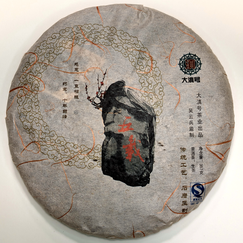
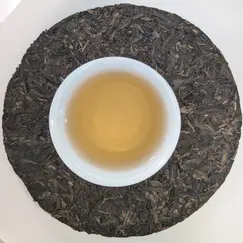
The craftsmanship of Chinese tea touches every aspect of the process during which it is made. Tradition, craft and ancient knowledge impact all stages of the tea's journey from leaf to cup, from where the tea grows to when and how it is harvested. Everything, including whether the bud or a specific number of leaves are plucked, is a deliberate, pre-determined act. These exacting processes were often honed centuries ago and upheld ever since. Even the way the final Chinese tea is packaged, whether as loose leaf tea or in a solid tea cake, is a silent nod to a long and storied history.
Chinese tea is never just a beverage.
Quick Answer: What Was the Chinese Tea Tribute System?
For more than a thousand years, tea played a central role in China's economy, government, and culture. Under the Tea Tribute System, certain regions were required to provide their finest teas to the emperor and imperial court.
Key Takeaways
-
The Tea Tribute System began during the Tang Dynasty around 700 A.D.
-
Tribute teas were elite teas reserved for emperors and the imperial court.
-
Tea-growing families competed to produce distinctive, memorable teas.
-
Many traditional Chinese tea processing methods evolved during the tribute tea era.
-
Famous teas such as Meng Ding Gan Lu and Jun Shan Yin Zhen have historical connections to tribute tea culture.
-
The craftsmanship used to produce modern Chinese tea is rooted in centuries of refinement and imperial demand.
-
Many tea traditions practiced today originated from techniques developed to create teas worthy of tribute.
Every cup is actually a story of sometimes secret and oftentimes painstaking processes. A cup of Chinese tea is a testimony to entire generations of a single family, or thousands of seasons weathered by ancient trees. Traditions have deep, ancient roots, much like the tea trees themselves. Still, the ancient methods and rituals of Chinese teas are not just a byproduct of the tea's geography, regional cultures or even artisanship. More often than not, the traditions grew in the fertile soil of necessity.
For a thousand years, Chinese tea functioned as both commerce and infrastructure, funding the entire vast empire. Tea did everythingeverything, ranging from providing revenue for the war horses that kept dynasties in power via the Tea Horse Road (茶马古道) to the more mundane, albeit necessary, role of funding infrastructure for the massive and sprawling nation.
In fact, for many tea families, the quality of the tea their farms and plantations produced could be a matter of life and death, primarily due to the tea tribute system.
In fact, for many tea families, the quality of the tea produced on their farms and plantations could be a matter of life and death, primarily due to the tea tribute system.
How Tribute Became Tradition
Ancient China was a land of ever undulating power centers, usually taking the form of the central Chinese government, led by a dynastic Imperial family. These families were under constant threat from nomadic militaries and disparate tribes, factions and ethnicities, all jockeying for their own power centers or, not infrequently, to topple the central government itself. Maintaining control over such a massive land mass and quarrelsome, diverse populationpopulations was extraordinarily expensiveexpensive. andIt left Chinese emperors in a perpetual state of finding ways to finance their own militaries or maintain political control in various regional power centers.
During this time, tea was not the universal beverage we know it as today. Almost no oneone, butexcept royalty and the very eliteelite, could afford tea. Nothing illustrated this reality more than the Tea Tribute system.
The Indirect Tea Tax of the Tribute System
This Tea Tribute system, instituted around 700 A.D. by the Tang Dynasty, mandated that specific geographical regions set aside their finest tea leaves for the emperorEmperor and the Imperial court. It was a kind of indirect taxation system in which providing the perfect cup could seal the fate of an entire family for generations. A pleasing cup brought the family political favor, possibly military protection, and regional influence. Displeasing the tea taster -- who may very well be the Emperor themself -- could result in complete ruin.
For families growing tea, cultivating a tribute tea meant more than simply setting aside the best of a crop. The tea had to be memorable and distinct from the other tributes. Since all tea comes from the same plant,plant and the environment from which the tea leaves and buds were harvested could notcannot be externallycontrolled controlled,externally, how the tea wasis processed becameis the mainprimary method used to coax unique flavors, colors and tastes from the tea.
Meng Ding Gan Lu, for example, was the only tribute tea from the Sichuan province.Sichuan. It was pan fried three separate times and rolled after each time. Then, after the final shaping and rolling, the leaves were dried over a charcoal fire.
Jun Shan Yin Zhen, on the other hand, garnered much of its flavor from its environment, a mountainous, 1-kilometer island perpetually shrouded in fog. What the island lacked in space, however, its rich soil made up for by imparting a distinct flavor to the tea.
Jun Shan Yin Zhen is the epitome of processing overcomingthat overcomes geographic environment.constraints. The soil of Jun Shan is heavy with minerals, which would normally result in a full-bodied, thick, or heavy tea. But the creativity and craftsmanship of the tea masters transformed the hearty tea leaves into one of the lightest, most delicate of Chinese teas for its time.
Exactly one bud and only three to four leaves were pan dried. Then, the tea was placed in a humid pot for up to five days. That process was then repeated a second time, which almost magically transformed the leaves into their signature yellow color,yellow, yielding a light andlight, almost floral tea.
Every Chinese Tea Today is a Tribute
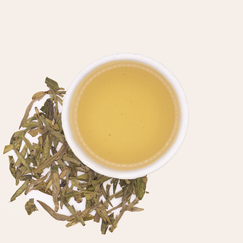
The legacy of tribute teas explains both the continued craftsmanship, enduring nature, and deep global appreciation for Chinese teas. It's why exactly one bud and two leaves are plucked to make Dragon Well tea. The ancient, centuries-old trees that grow on Pan Yin Mountain, where GPT's Master Green Tea is harvested, may very well have grown leaves made into tea enjoyed by an imperial courtesan or royal advisor.
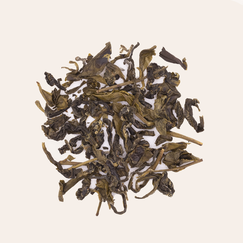
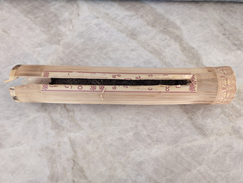
The Aini minority, who still live today in the Yunnan province around the Lancang River region of Xishuangbanna, may have ancestors who ventured into the very same forest they do today, and with the same purpose: to pluck tea leaves from the wild tea trees that still offer their leaves infor harvest. Today, Aini Bamboo Shu is made by processing the harvested leaves in fresh fresh-cut bamboo,bamboo and roasting them over a charcoal fire. The tea leaves are then dried outside on special racks. This careful process was undoubtedly passed down through generations of Aini people. It is not unlikely that the current brew master's ancestors, who patiently coaxed flavor from the tea in the same manner, stood before some of the most powerful people in Chinese history.
The Tea Tavern puts forth an extraordinary amount of effort to source the best of Chinese tea. Teas that reflect tradition, honor the Earth, and bring people together in a spirit of enjoyment, learning, and discovery.
Though some degree of technology has been introduced into today's processing for some tea farms and plantations – usually in the form of improved temperature control, storage, or processing capacity – many Tea Tavern teas are made in the exact same way they were hundreds of years ago.
This makes sipping a Tea Tavern tea more than just enjoying a healthy beverage. When you take part in the process of brewing, tasting, and perhaps even sharing Chinese tea from Tea Tavern, you become another thread in the beautiful, ancient tapestry of thetea's enduring historyhistory. of tea.
Frequently Asked Questions About the Tea Tribute System
What was the Tea Tribute System?
The Tea Tribute System was a form of imperial taxation in which specific tea-producing regions supplied their finest teas to the emperor and the imperial court. It became an important part of Chinese political, economic, and cultural life.
When did the Tea Tribute System begin?
The tribute tea system is generally traced to the Tang Dynasty, around 700 A.D., though tribute practices evolved and expanded throughout later dynasties.
Why was tea so important in ancient China?
Tea served as both a luxury good and an economic resource. It generated tax revenue, supported trade networks, funded government activities, and played an important role in diplomatic and cultural exchanges.
What is a tribute tea?
A tribute tea is a tea selected for presentation to the emperor or imperial court because of its exceptional quality, craftsmanship, rarity, or regional significance.
How did tribute teas influence modern Chinese tea?
Many tea processing methods, harvesting standards, and quality traditions used today were refined during the tribute tea era as producers sought to create teas worthy of imperial recognition.
Are tribute teas still produced today?
The original imperial tribute system no longer exists, but many historic tribute tea varieties are still cultivated and enjoyed. Their production often follows techniques developed centuries ago.
Why do Chinese tea traditions place so much emphasis on craftsmanship?
Because tea quality often determined a region's reputation and relationship with the imperial court, generations of tea masters refined cultivation, harvesting, and processing methods to create distinctive and memorable teas.
Source Materials and Further Reading Suggestions
Britannica — Tea Production and Trade
https://www.britannica.com/topic/tea-beverage
Chinese Empire Forced to Evolve the Economic System to Resist the Nomadic Empire--Case: Establishment of the Tea Tax System in the Tang Dynasty
Serious Eats: “Matcha’s 1,000-Year Journey”
Song-dynasty whisked powdered tea, tea competitions, and the Chinese origins of what later became matcha.
https://www.seriouseats.com/the-ancient-chinese-ritual-behind-the-internets-favorite-green-drink-11891929?utm_source=chatgpt.com
All the tea in China: the political impact of tea